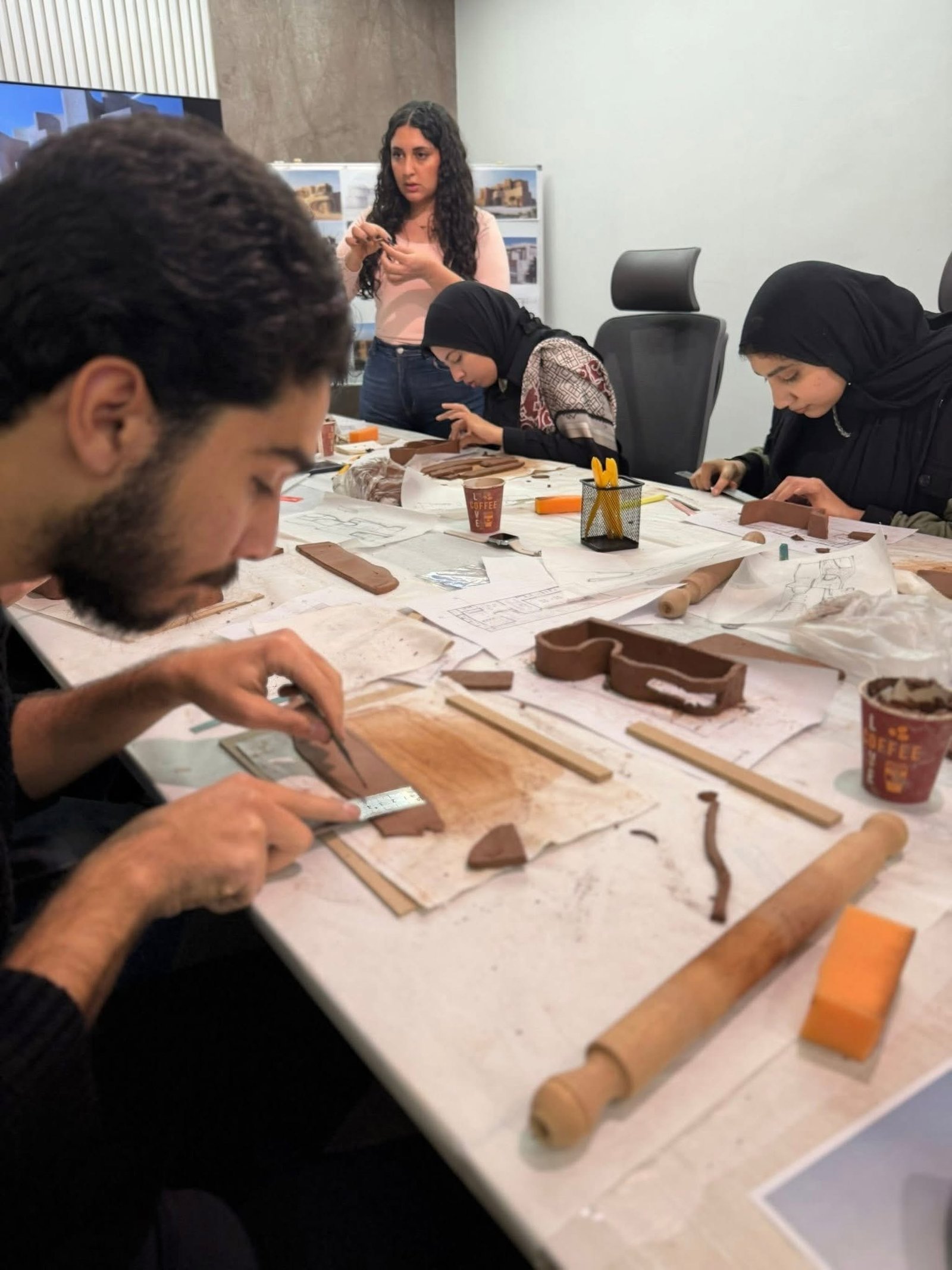
Architecture is crafted through a sequence of decisions before it takes its final shape. Partner-Z’s clay workshop study highlights the hands-on work behind architectural concepts, connecting the act of making with questions of form, space, and the wider setting.
Making as a way of thinking
‘Before architecture takes shape, it is crafted’ places attention on process. A model allows an idea to be examined from more than one viewpoint. It gives the designer something to work on, question, and change as the concept develops.
In a clay study, a small adjustment can alter the balance between volumes or the character of a space. The usefulness of that adjustment comes from what it helps the designer understand. A compelling shape is a beginning; it creates questions that subsequent design work needs to answer.
From volume to spatial relationships
Architecture involves the relationship between built form and the spaces around and within it. A physical model can make those relationships easier to discuss. Openings, edges, and gaps can suggest where movement might occur or where a space might feel enclosed.
These suggestions remain exploratory at the workshop stage. Plans and sections are needed to test them against the practical requirements of a particular project. The model supports that conversation by giving an emerging idea a visible form.
A connection to masterplanning and urban design
The original publication places this study alongside masterplanning and urban design. At those scales, individual forms need to be considered in relation to a larger composition. The position of a volume affects the spaces around it, and the organization of those spaces affects how the whole proposal can be understood.
Crafting an early study can help make such relationships explicit. It provides a shared object for examining the concept before more detailed commitments are made.
The work behind the image
The workshop photograph records an early part of the architectural process. It does not provide a project name, location, or final specification. Its message is about the attention invested before a design becomes a finished proposal: architecture takes shape through patient exploration, revision, and a clear understanding of what the emerging form is intended to do.