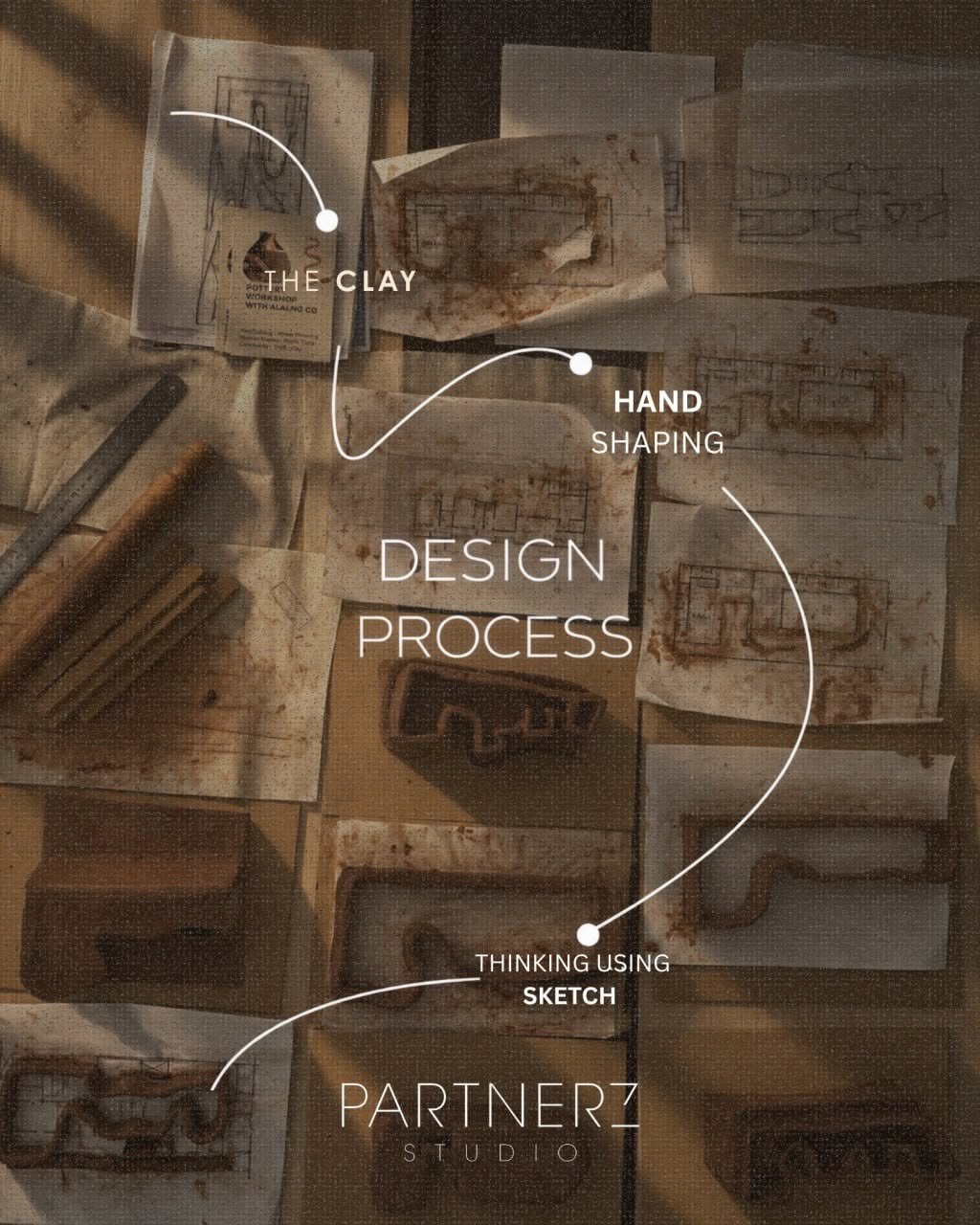
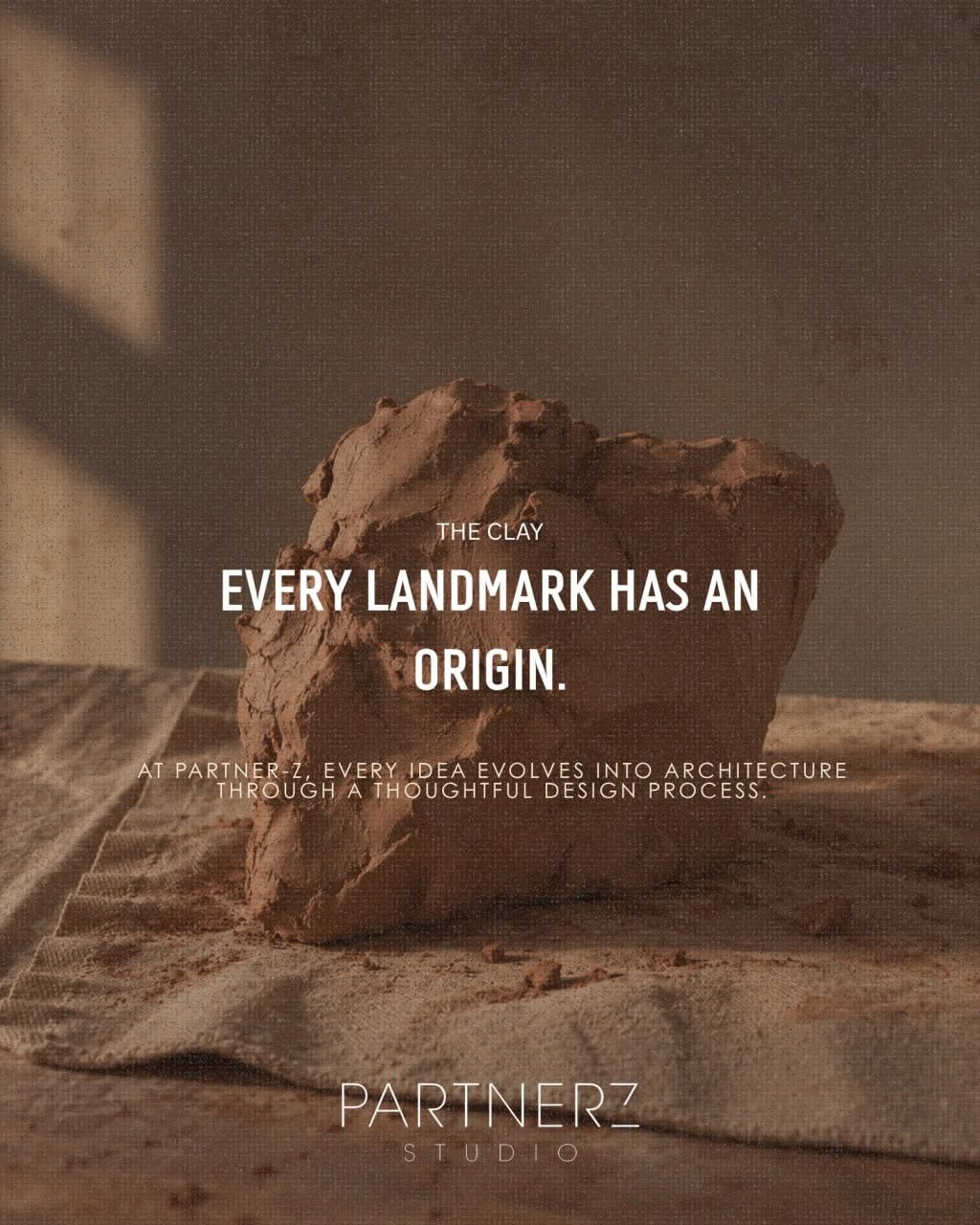
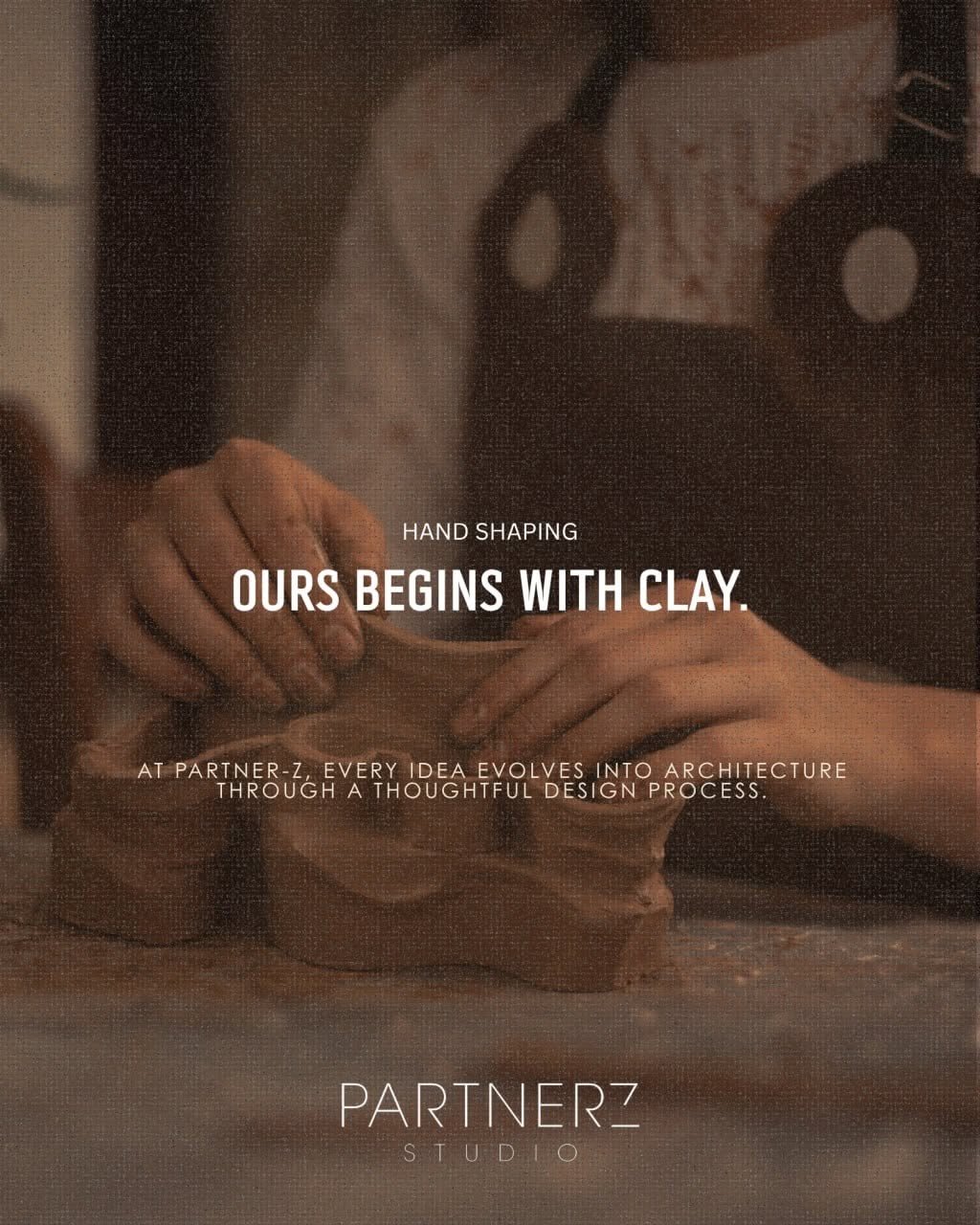
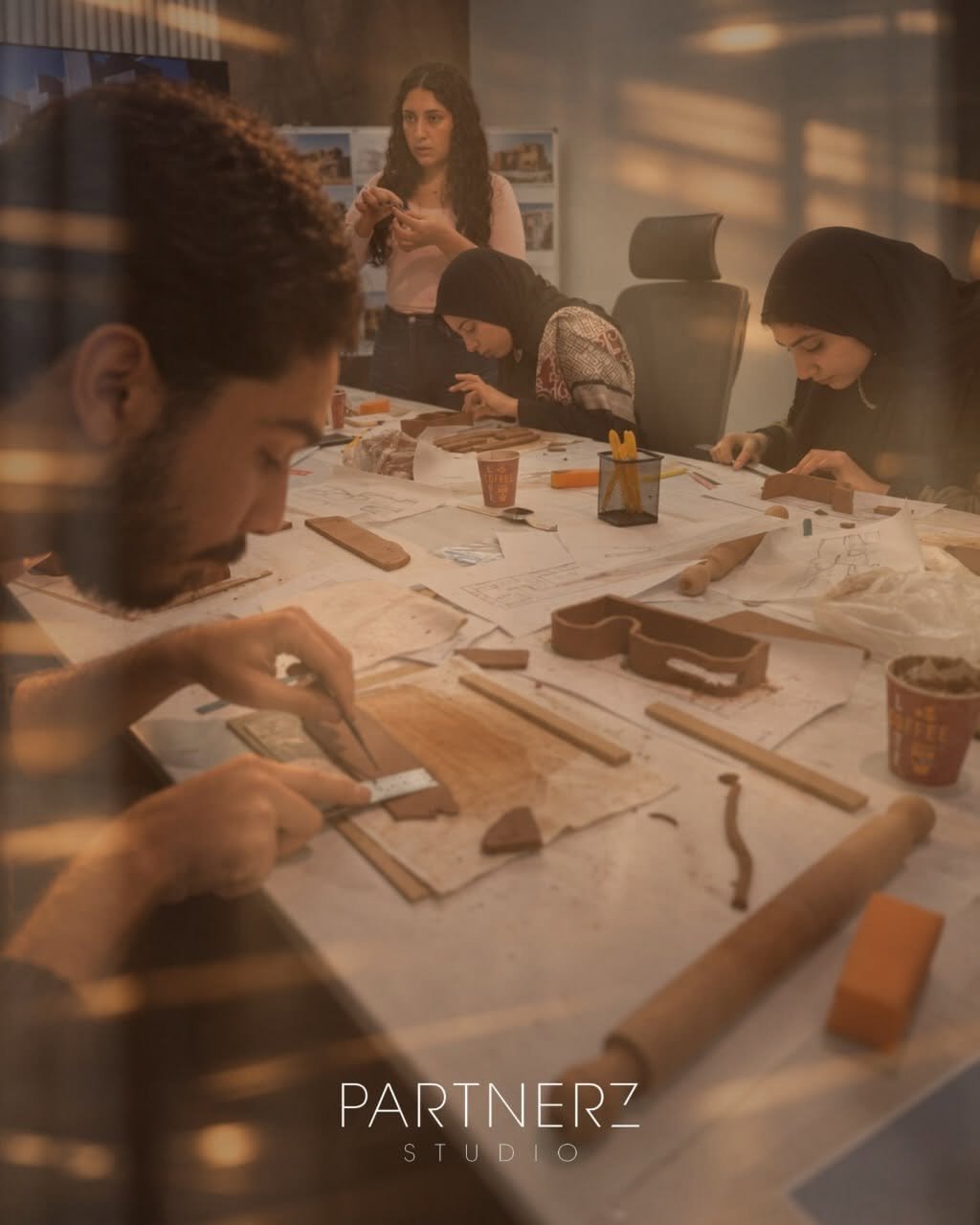
A landmark can begin with a simple gesture: a movement, a sketch, or a piece of clay shaped by hand. Partner-Z’s study, ‘Every landmark begins as a gesture,’ explores how an architectural idea can retain its essential character as it develops from a physical model into a building concept.
The first gesture
Before a design becomes a set of drawings, it needs a clear idea. A gesture can establish that idea without resolving every room, material, or structural detail. It may express a direction, a relationship between solid and void, or the way one volume responds to another. Its value lies in making the intention visible enough to examine.
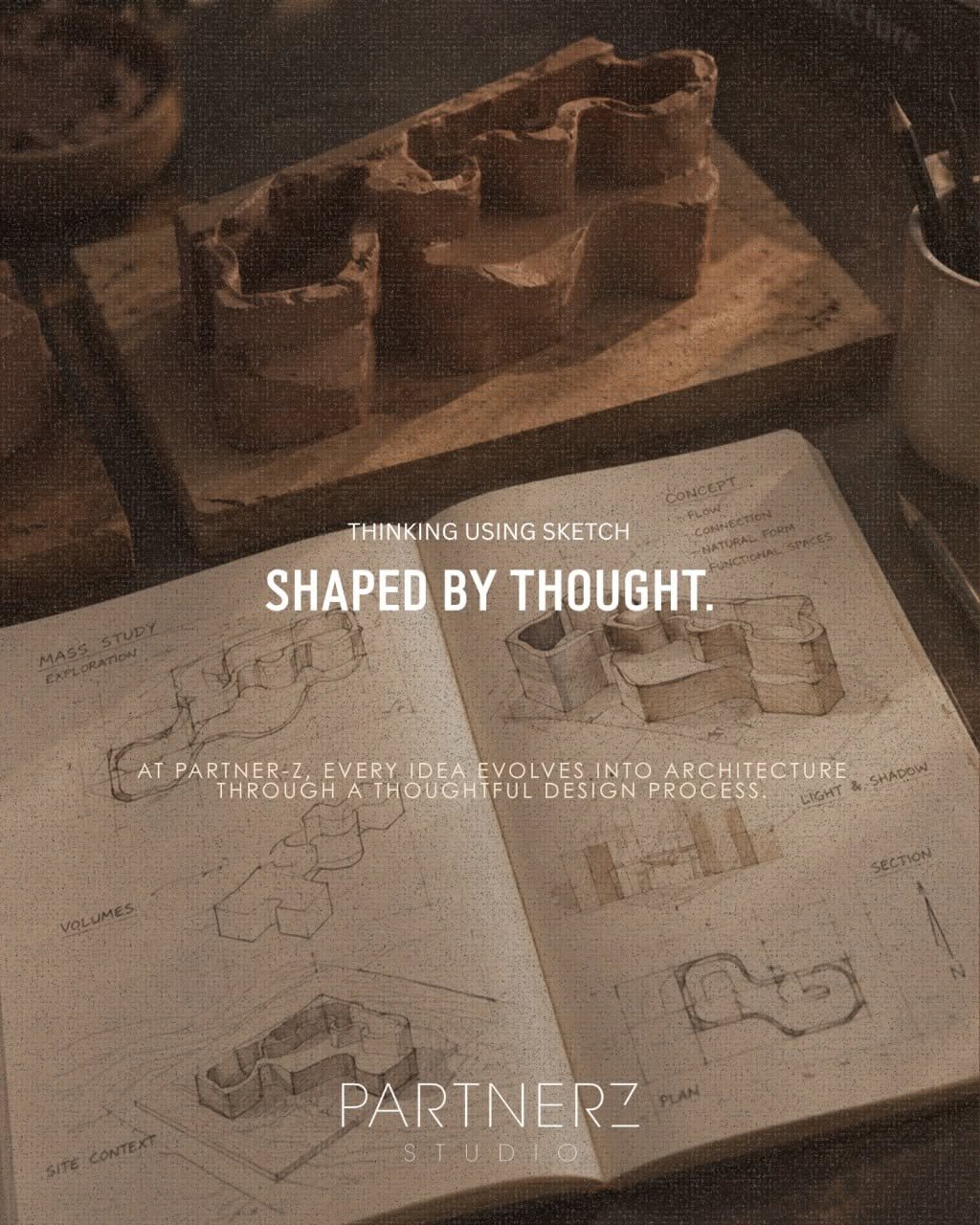
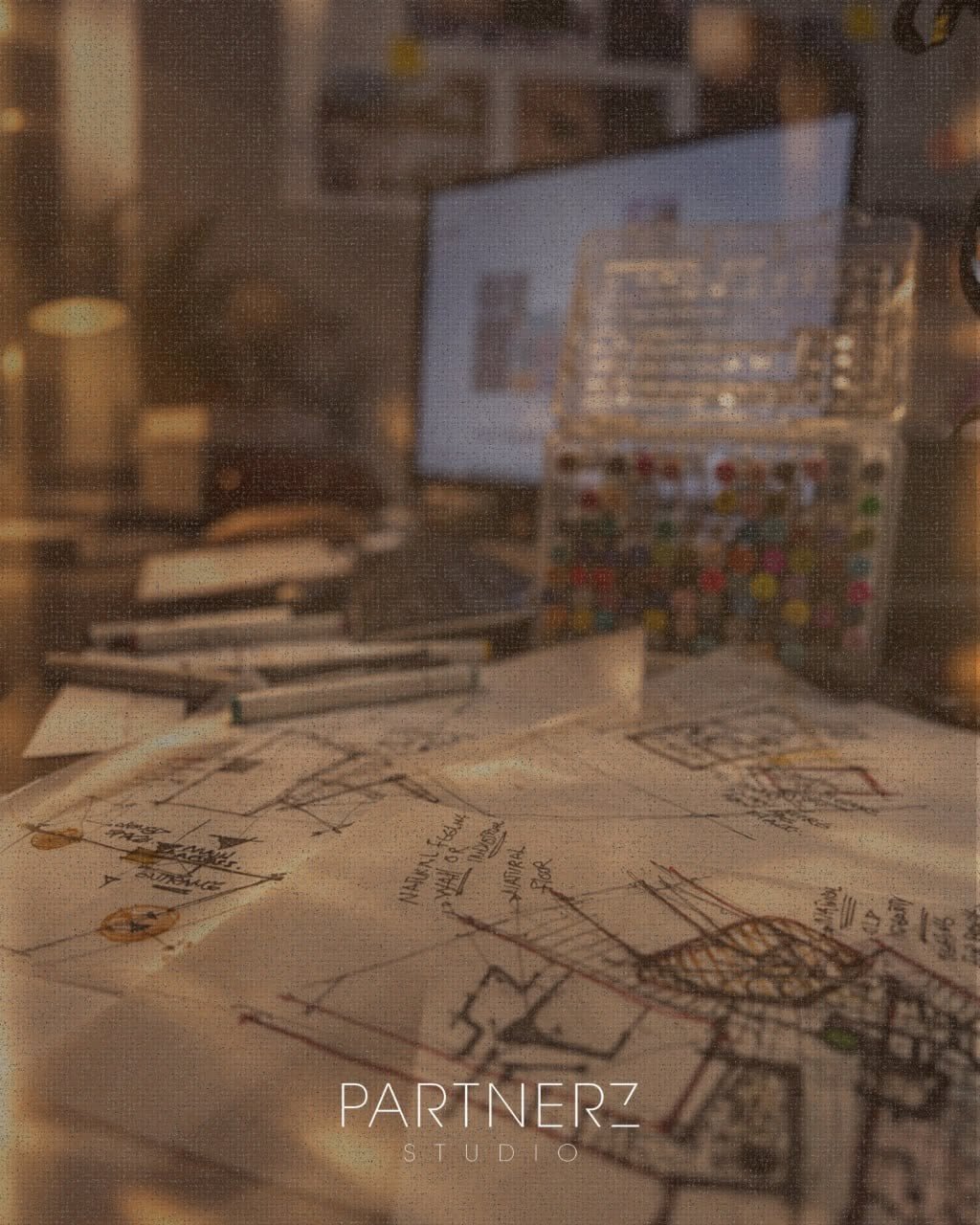
The clay studies and architectural sketches presented with this post focus on that early act of making. They invite attention to the origins of form and to the decisions that help an idea become recognizable.
What clay brings to architectural thinking
Working with clay makes form tangible. A designer can turn a model, adjust its surface, remove a portion, or compare the spaces created between its parts. These actions offer a direct way to investigate proportion and volume before a proposal becomes more detailed.
A physical study is one part of the design process. Its purpose is to reveal possibilities and questions. The next stages must examine how those possibilities relate to use, access, structure, and the setting of a project.
Carrying the essence forward
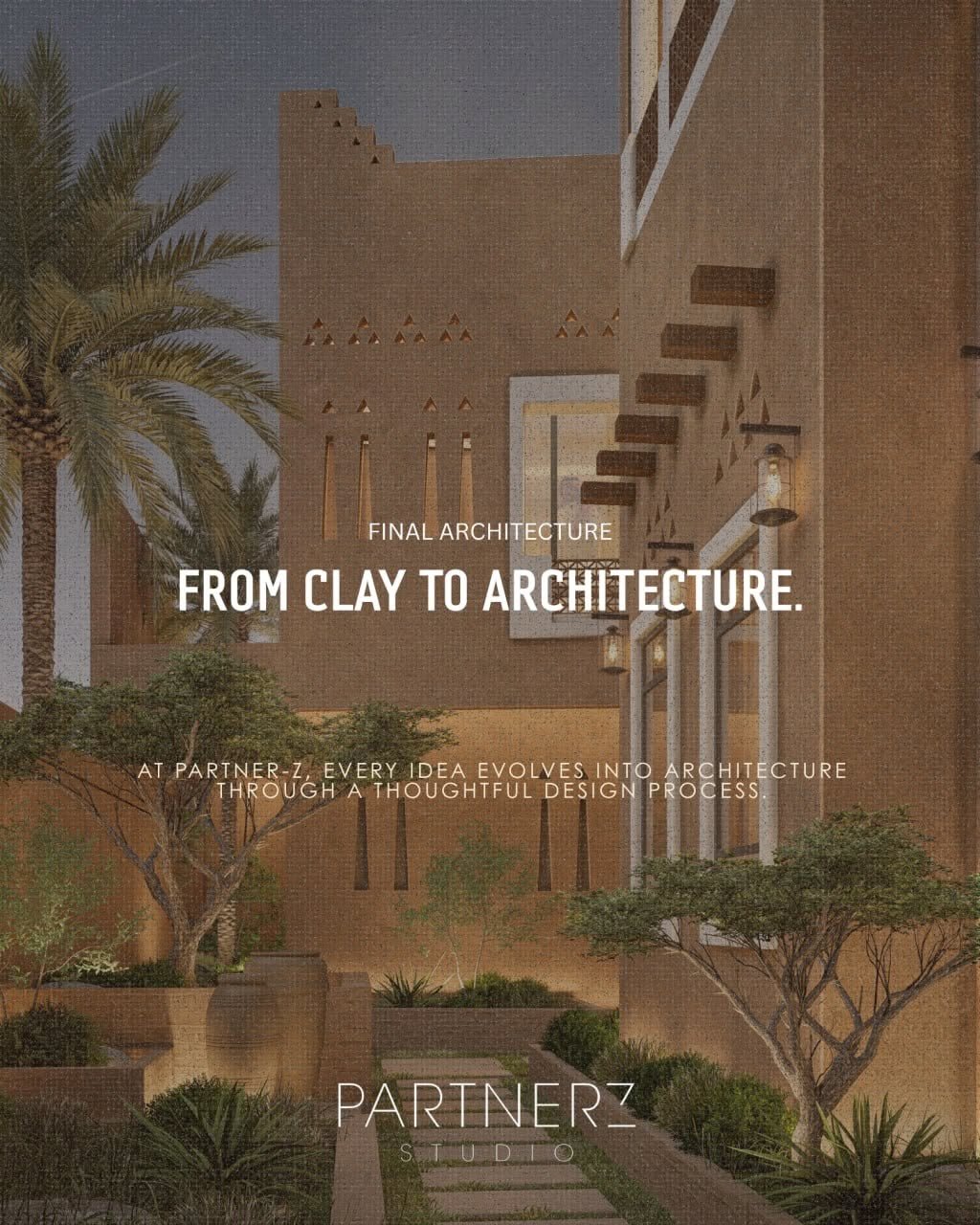
‘From clay to architecture, the essence remains’ describes a design ambition: preserve the strength of the original idea while developing a workable architectural response. That requires identifying what makes the study distinctive and which elements can change as practical requirements become clearer.
An expressive form becomes meaningful when later decisions support its central intention. Plans, sections, and material choices can develop the initial gesture instead of treating it as a surface image.
A study in process
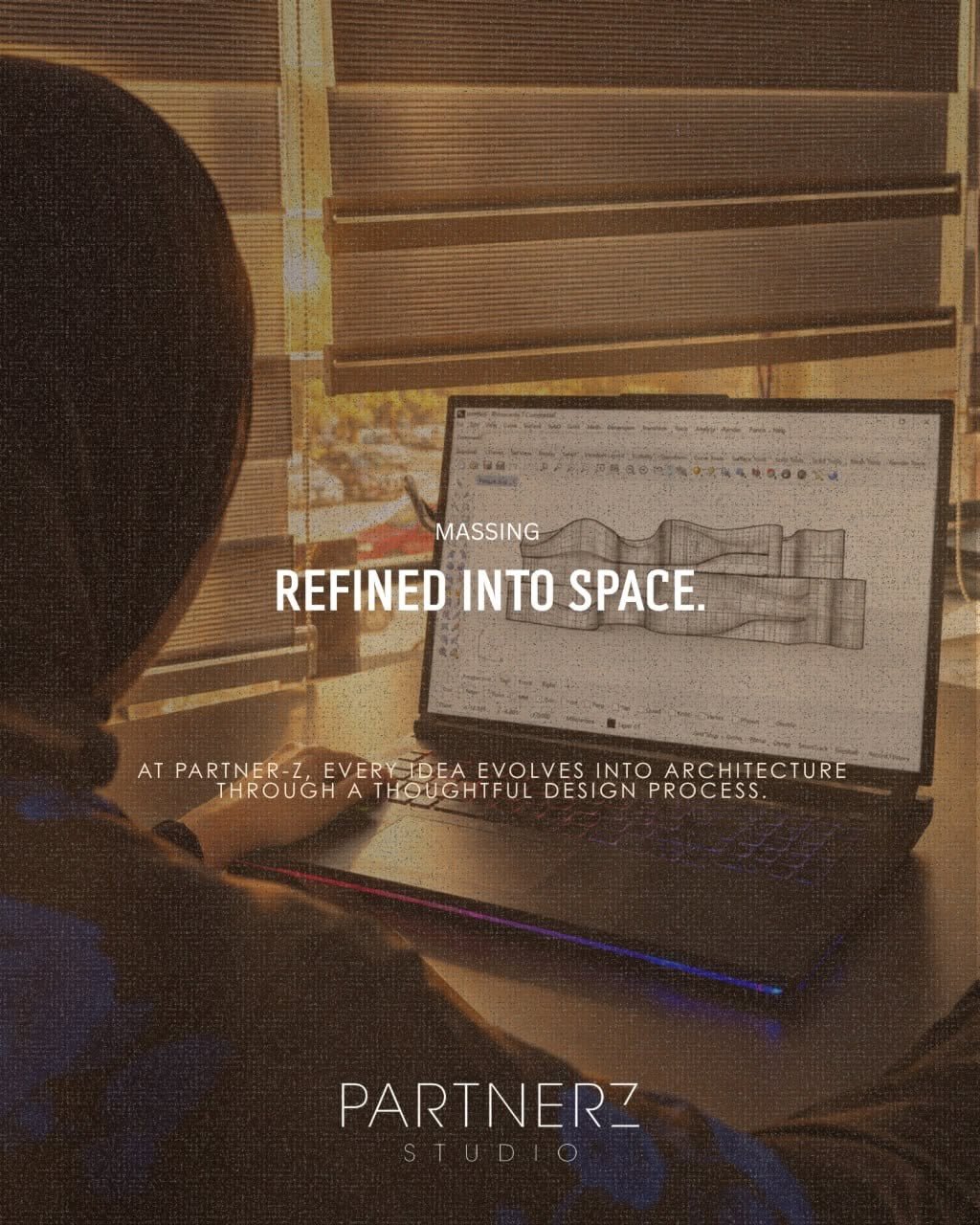
This publication presents an architectural exploration through clay, sketches, and workshop imagery. It shares the thinking behind form-making rather than documenting a completed landmark. The sequence offers a starting point for understanding how a small physical gesture can guide a larger architectural conversation.