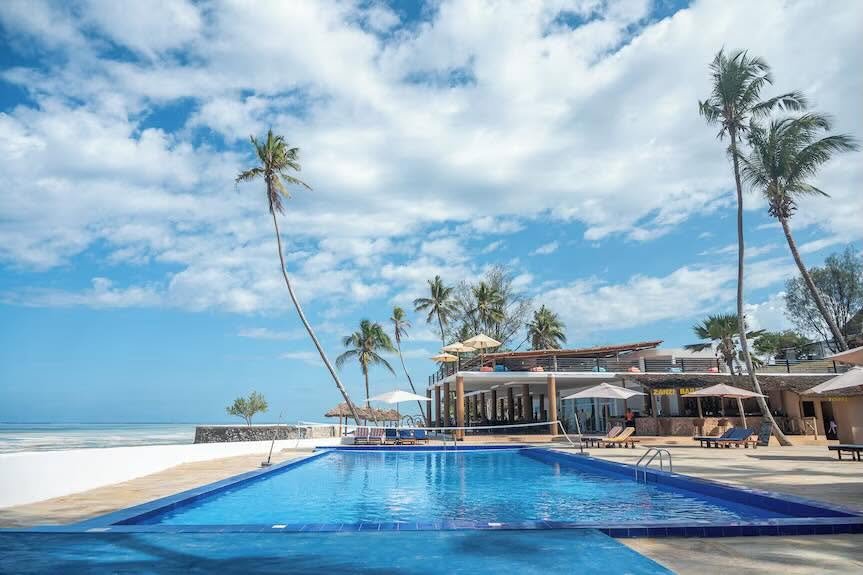
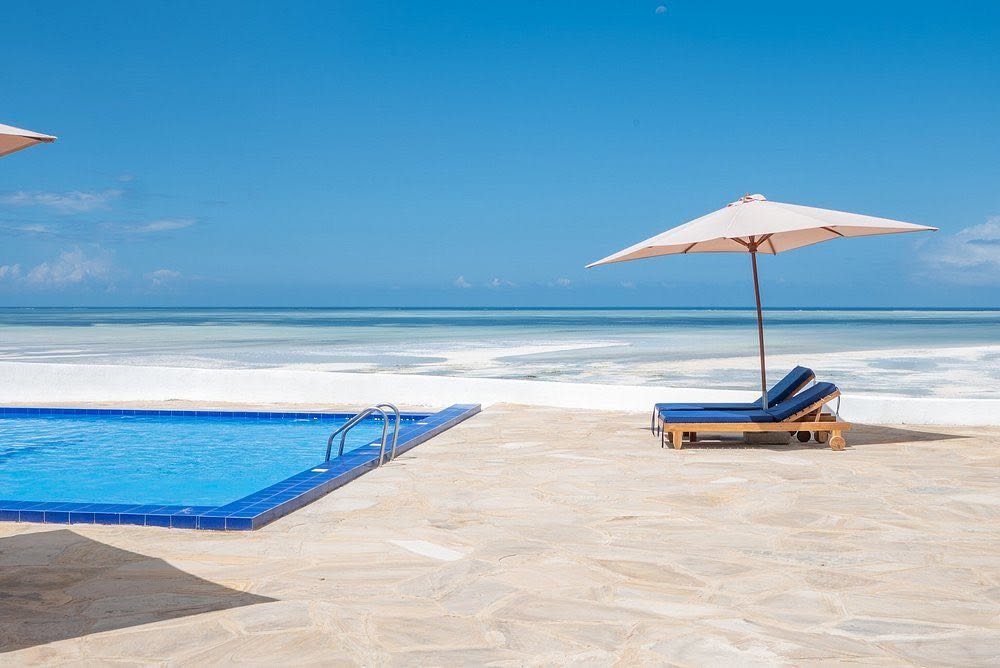
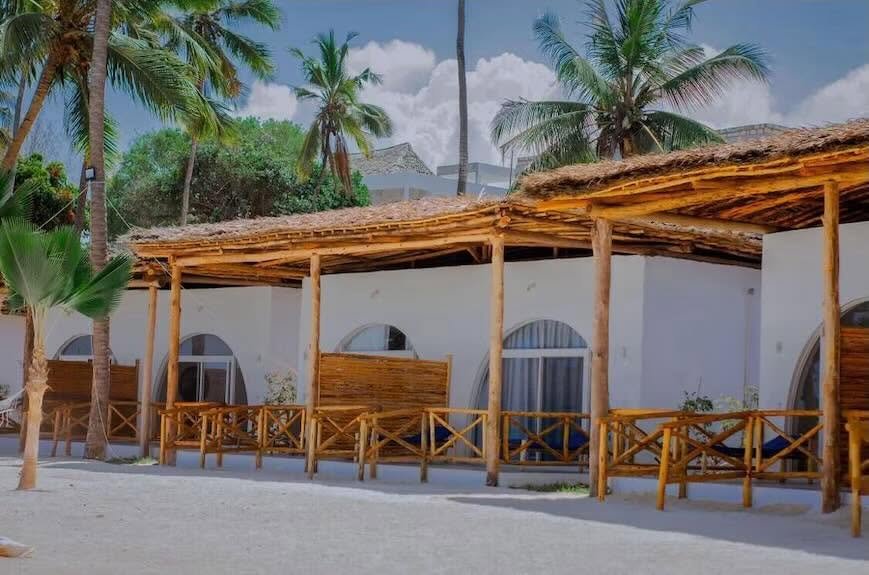
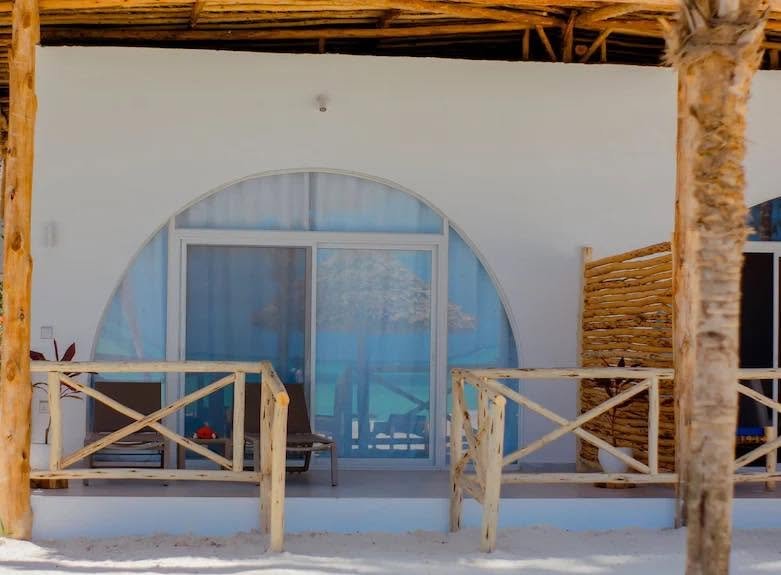
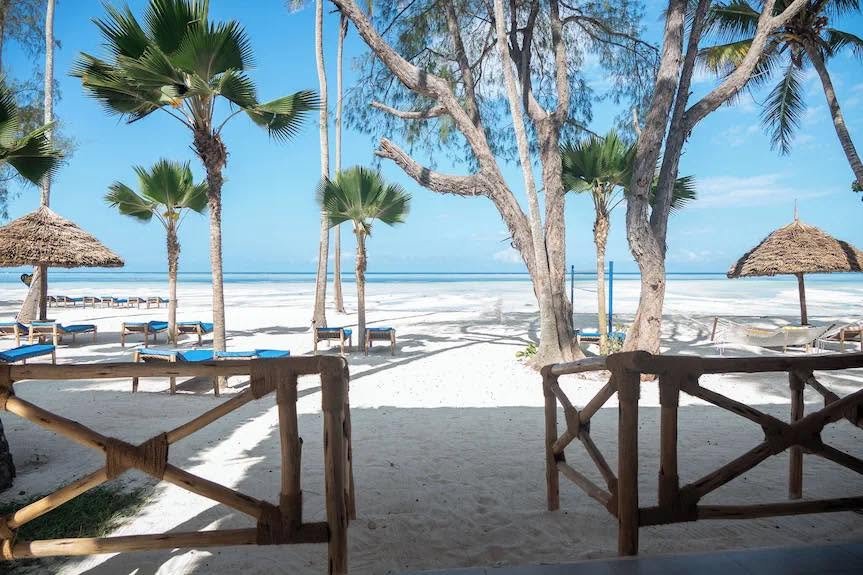
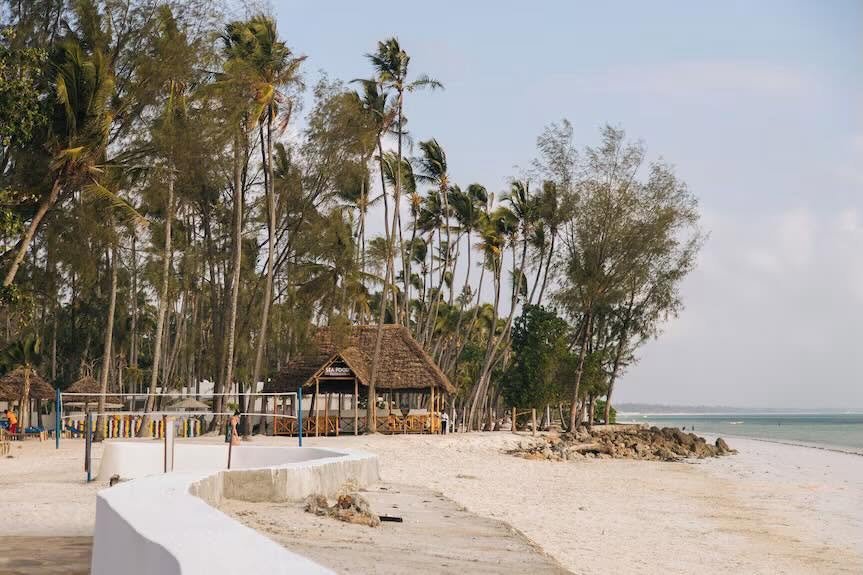
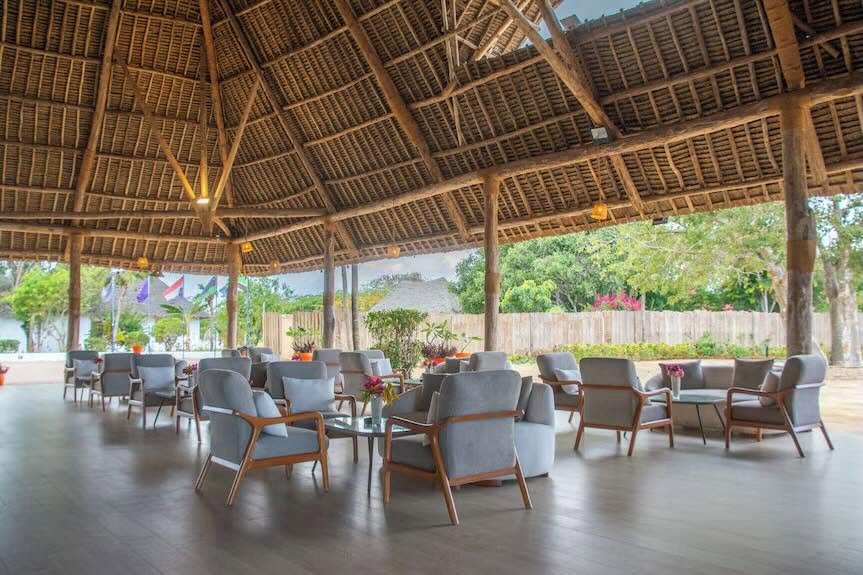
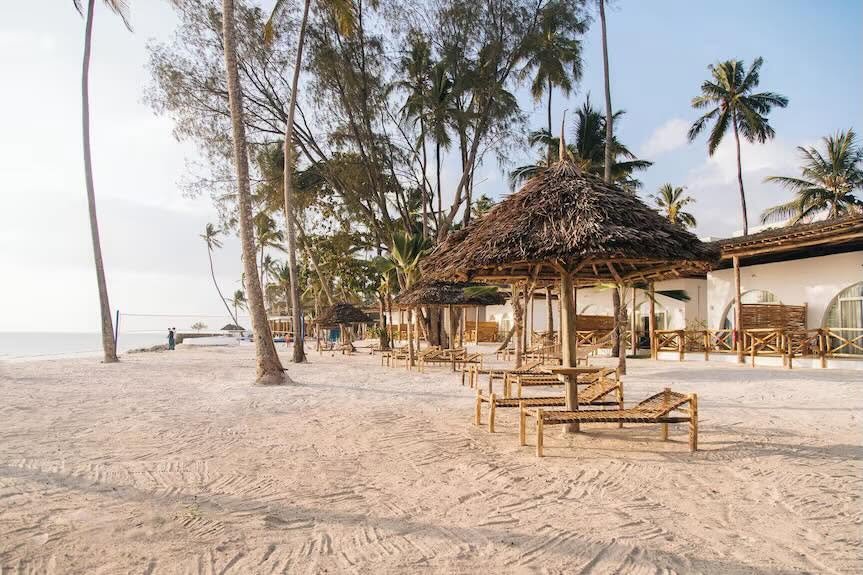
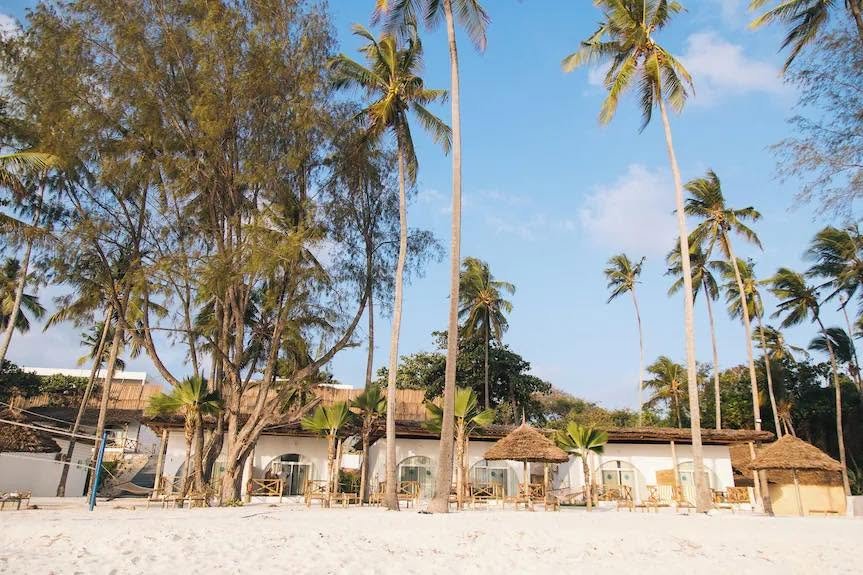
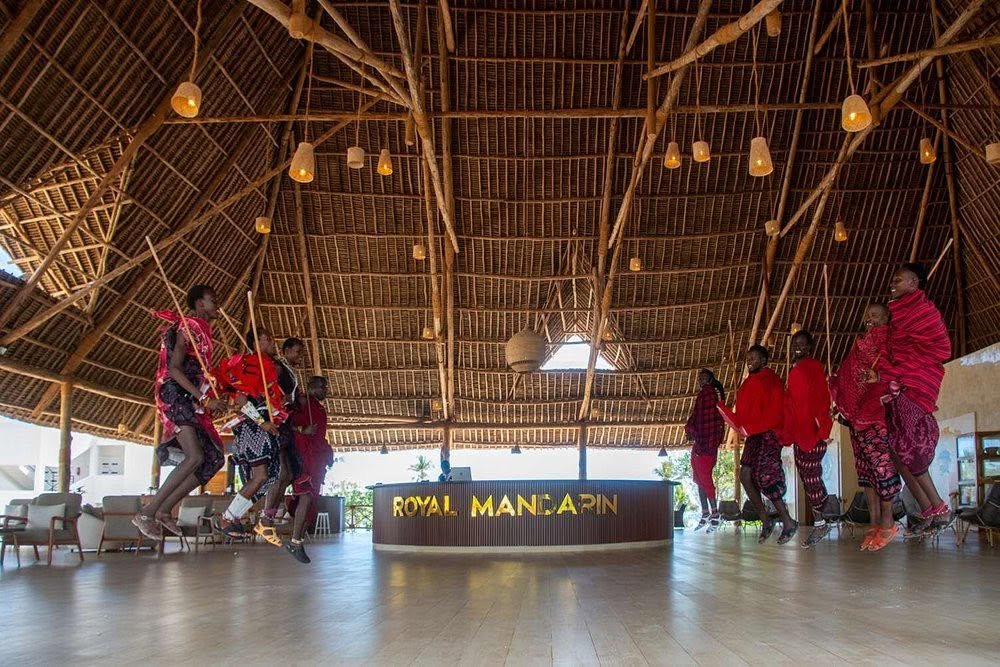
Partner-Z’s 2025 Royal Mandrine Resort publication shares images described as real photographs from the Zanzibar site. The accompanying text explains a design approach inspired by the environment, connecting local natural materials, existing trees, palms, and views toward the ocean.
The setting as a source of design
The studio describes an ambition to create contemporary designs that harmonize with nature. For this resort presentation, the natural elements of the project’s environment are identified as the starting point for that approach.
This gives the setting a role within the architectural narrative. Materials, vegetation, and views are discussed together as parts of the experience the design seeks to support.
Local materials and existing vegetation
The source describes using local natural materials as building elements. It also states that existing trees were preserved and ancient palms incorporated to maintain the site’s natural beauty. These are the studio’s reported design choices in this publication.
The caption does not name a material schedule or provide an independent environmental assessment. Its contribution is the explanation of how the studio connects the project’s design with the elements of its setting.
Beach views and open spaces
The publication describes beach views and spaces opening toward the ocean as part of its spatial direction. The intention is to help visitors connect with the place and experience a tranquil environment.
That visitor experience is the stated design aim. The source does not provide operating information, guest measurements, or an opening date, so those outcomes are not independently confirmed by the article.
A site-based publication
‘Real photos from site’ distinguishes the material shared in this post from a purely conceptual presentation. The original photographs belong alongside the studio’s explanation and offer the site account associated with it.
The heading identifies Royal Mandrine Resort, Zanzibar, and 2025. This article records that site-focused update while preserving the central design message: develop a contemporary architectural response through a relationship with local materials, vegetation, and the coastal setting.