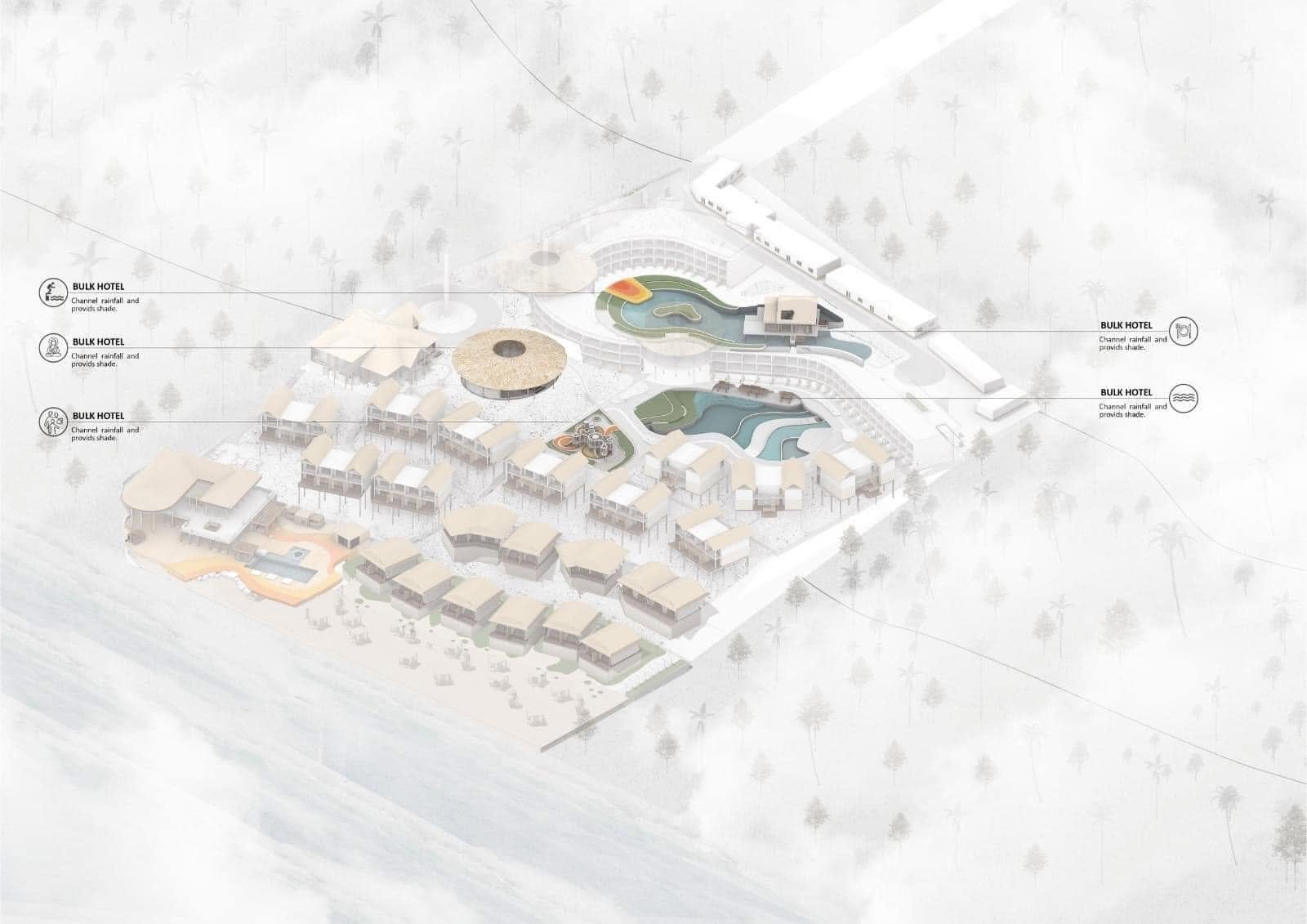
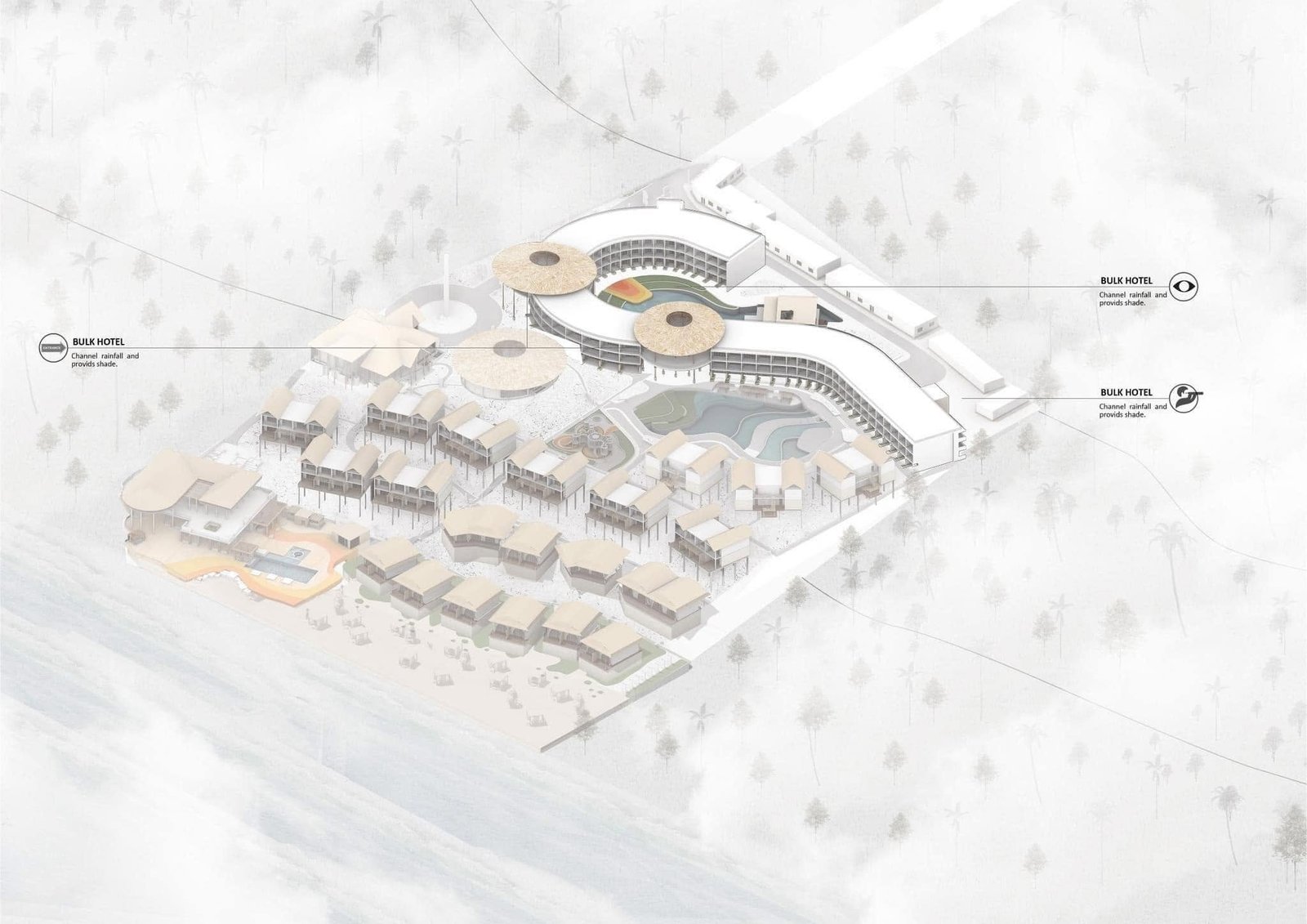
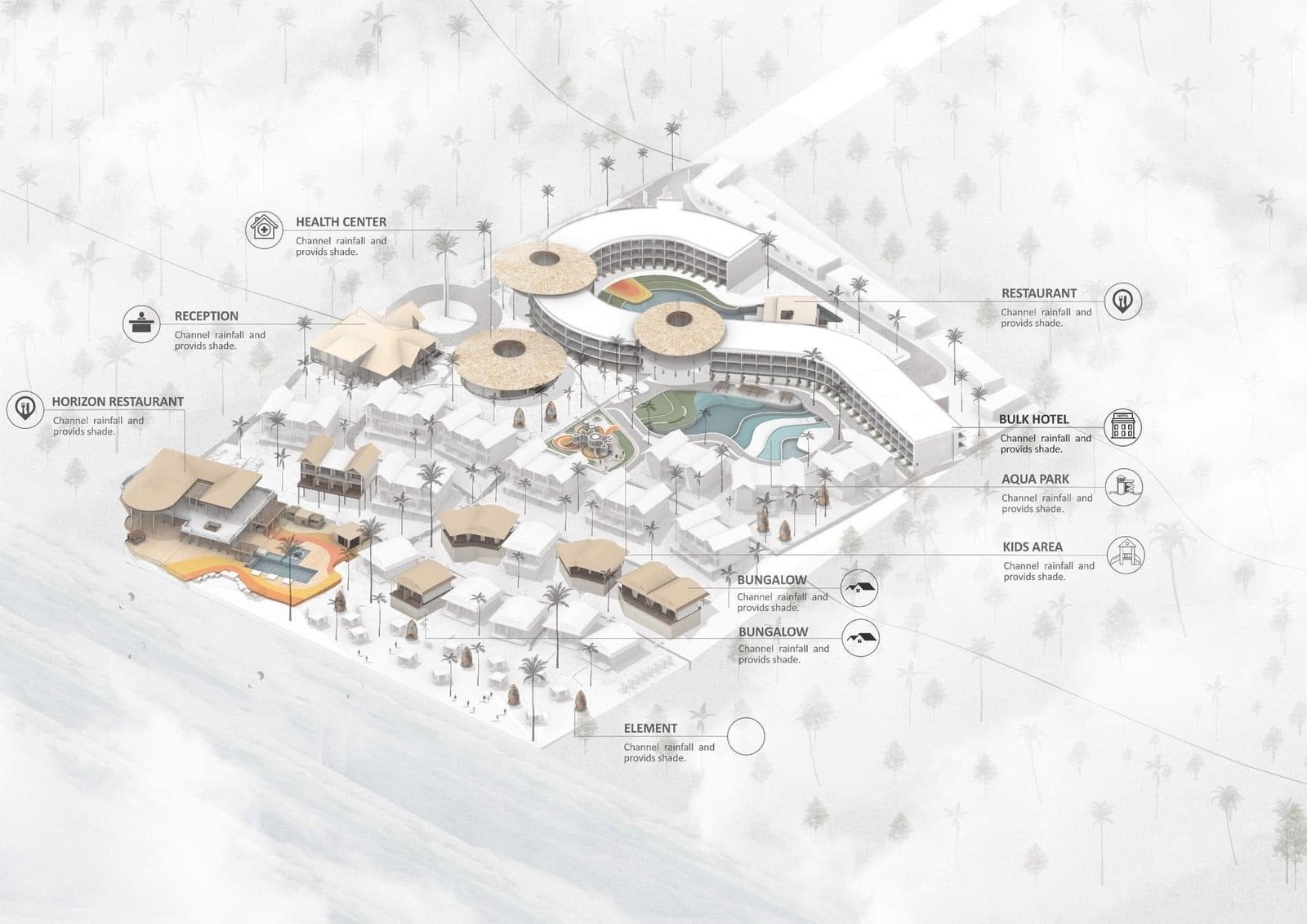
Partner-Z presents the form generation process for Royal Mandarin Resort in Zanzibar, associated with 2024. This publication focuses on the development of architectural form and the visual studies shared to explain that process.
Form as something developed
Form generation concerns how an architectural arrangement is explored and brought into focus. It treats the shape of a proposal as the result of decisions that can be examined, compared, and revised.
A design study can make those decisions visible. It gives a team something concrete to discuss while the relationship between an overall idea and its parts is still developing.
Reading a process presentation
The caption identifies the subject as ‘Form Generation Process.’ That phrase provides the lens for viewing the accompanying imagery: the audience is being invited to consider how a design develops.
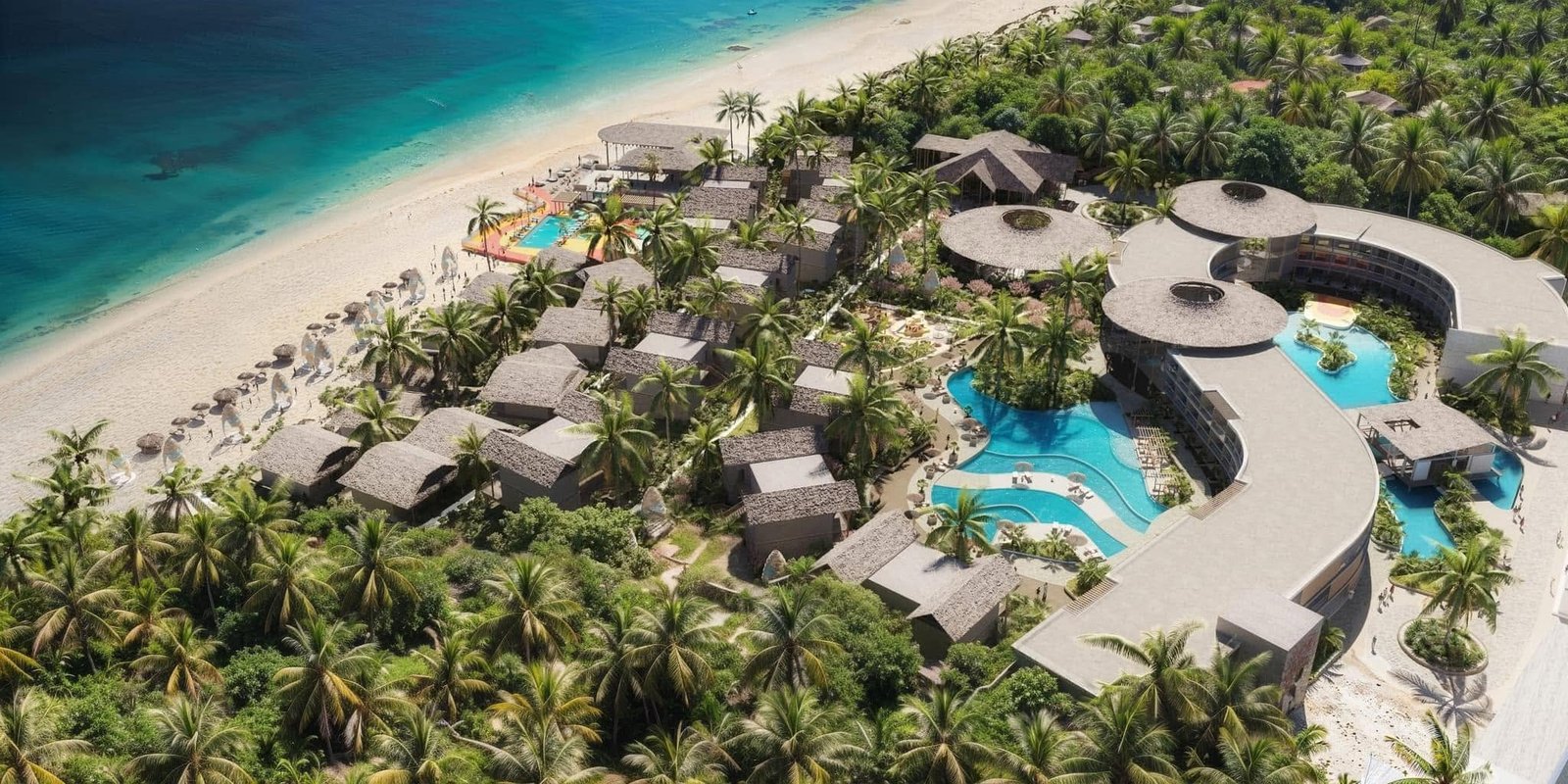
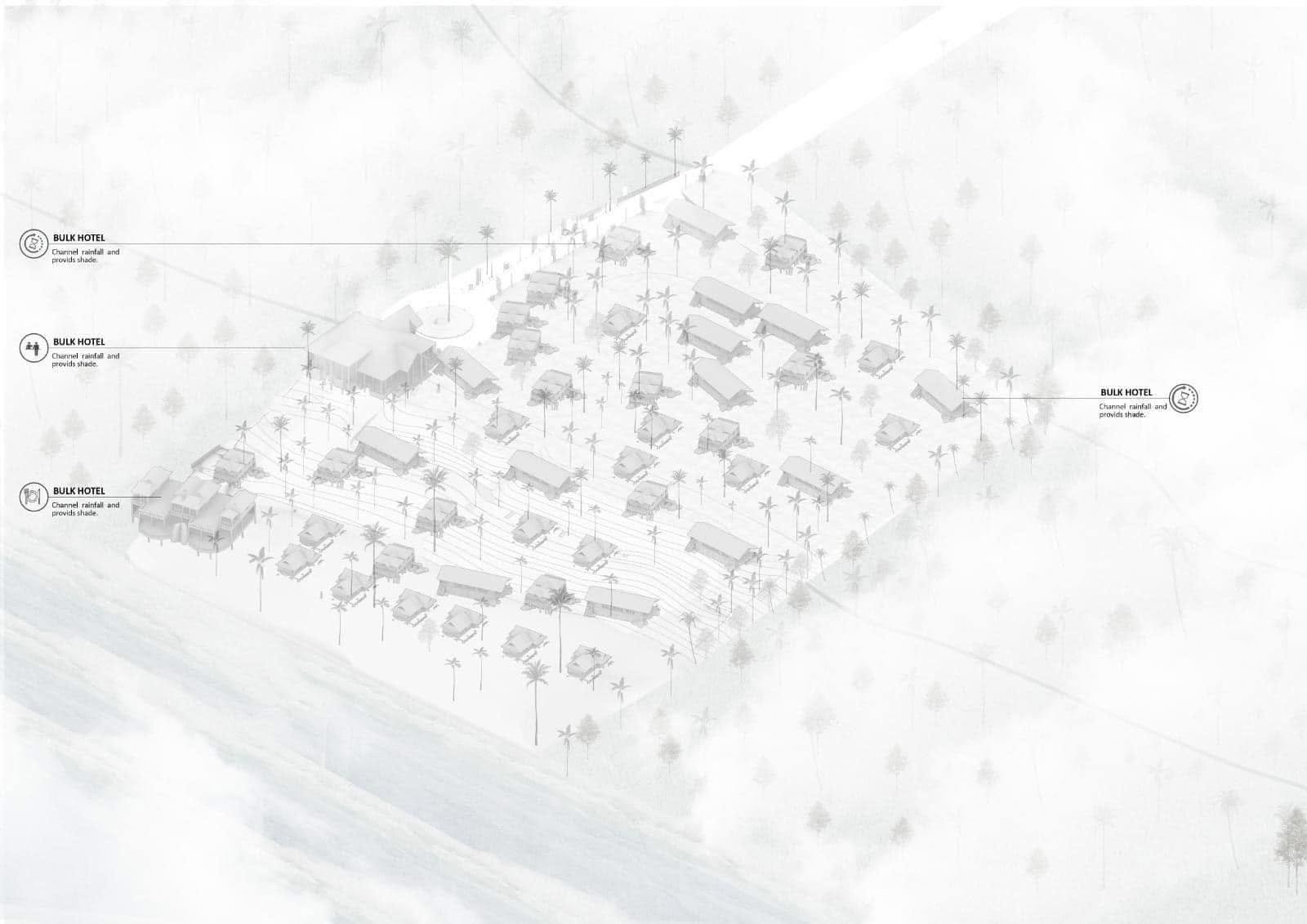
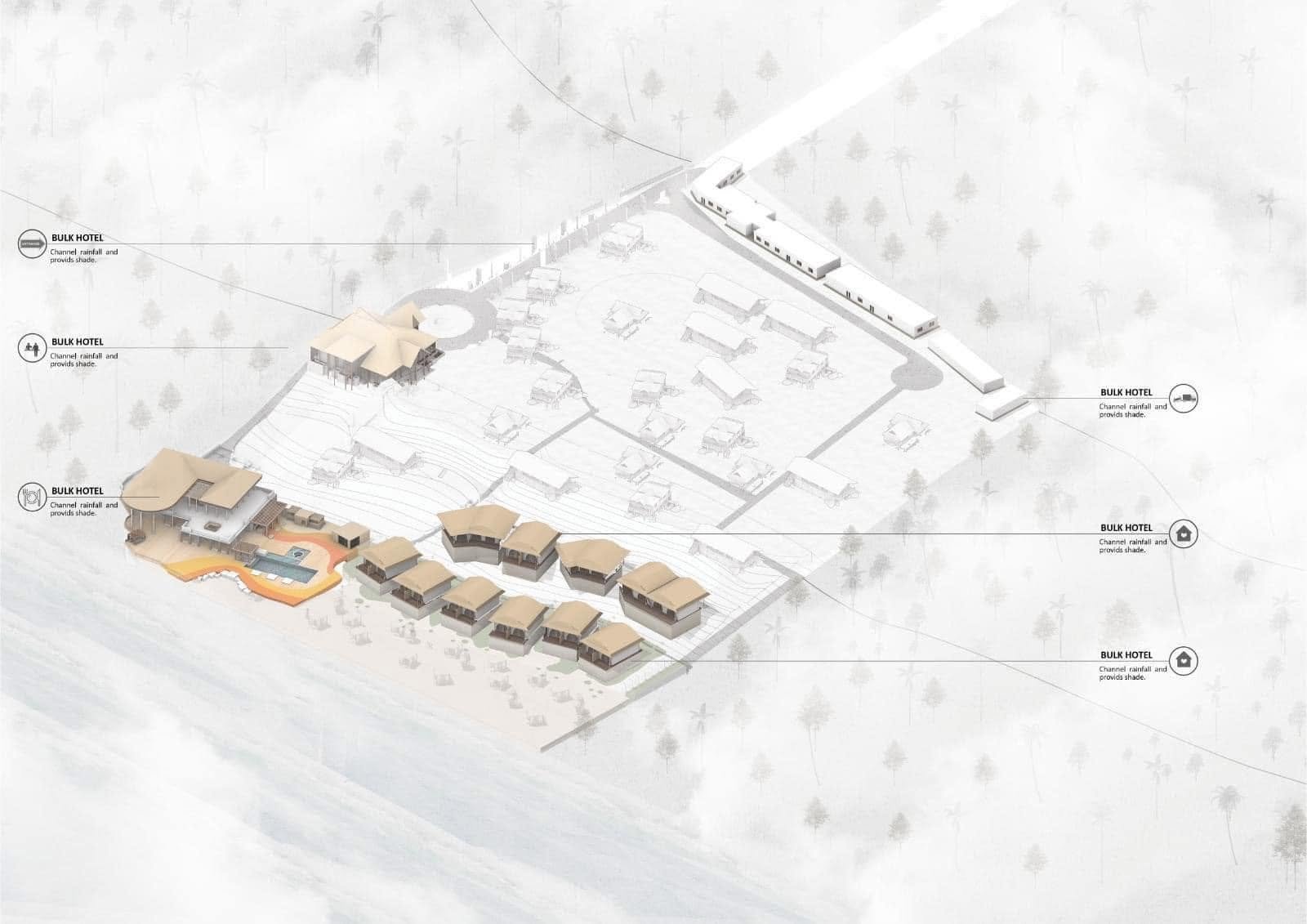
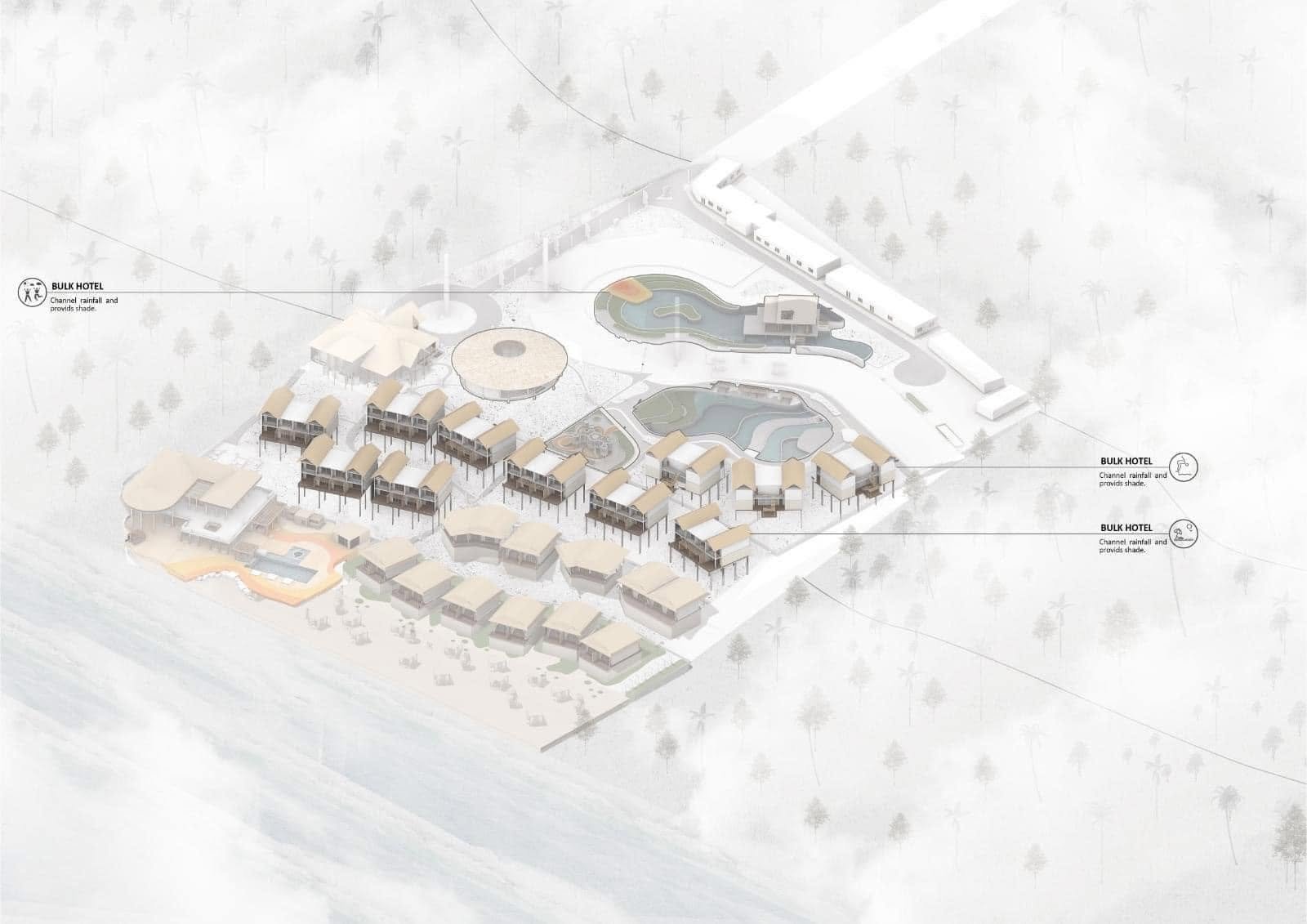
The seven-image gallery combines an aerial resort rendering with a sequence of axonometric studies. Different sheets highlight dispersed roofed villas, shared buildings, pool areas, circular roof forms, and curved hotel wings. The final annotated diagram labels reception, a health center, restaurants, hotel accommodation, an aqua park, a kids area, and bungalows. These labels describe the program presented in the design study; they do not establish that every element was built.
From exploration toward a coherent proposal
A useful form study asks how the elements of a design belong together. Individual shapes need to contribute to an architectural idea that can be understood as a whole. The process helps the designer test that coherence before committing to a more detailed arrangement.
These are general considerations for architectural form development. The caption does not identify which alternatives were selected or confirm a final built outcome.
The resort’s stated context
The publication names Royal Mandarin Resort, locates it in Zanzibar, and lists 2024. This article preserves that project context while focusing on the process shared in the post: architectural form as an exploration whose development can be presented and discussed through visual studies.