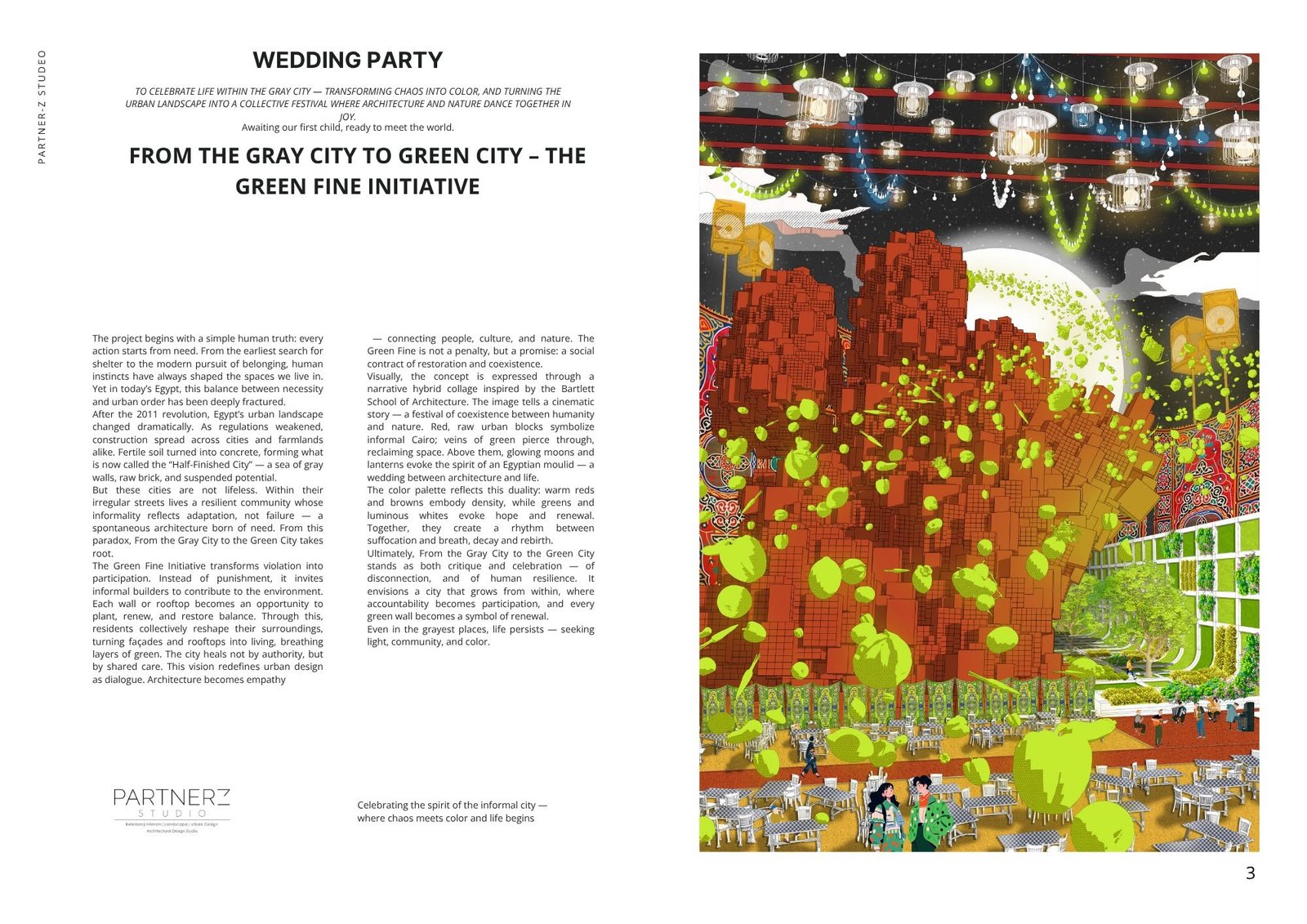
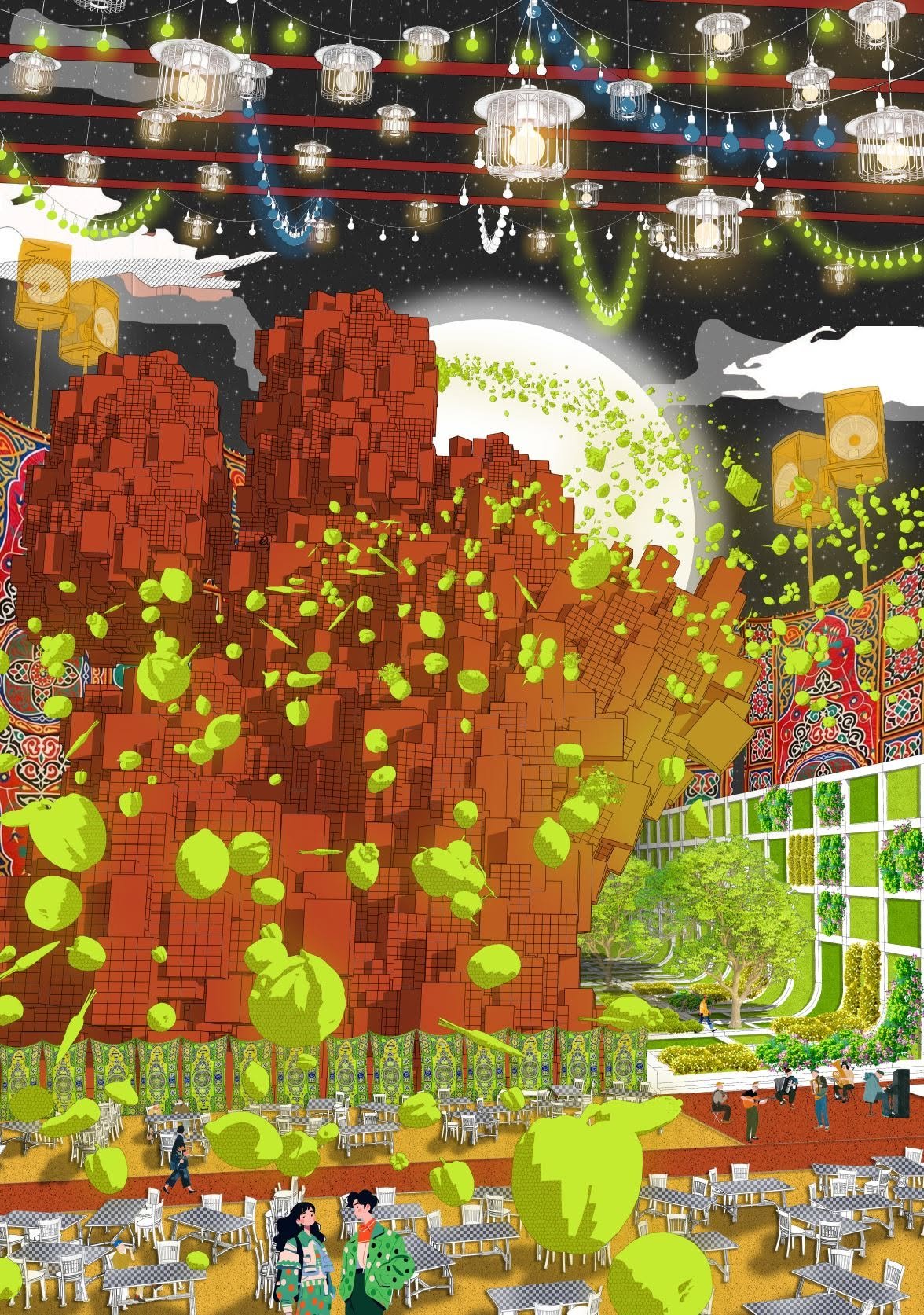
Partner-Z’s publication describes a creative process for representing the issues of a project and the analysis it needs. The accompanying drawings place analytical work within the studio’s broader belief that every architectural project should have its own story. The original drawing publication was shared from Ahmed A Batea, whose credit is retained with the work.
Start with the questions a project raises
Project analysis begins by identifying what needs to be understood. A brief can raise questions about relationships, priorities, and the purpose of spaces. Bringing those questions into view gives a design team a clearer basis for discussion.
The original caption emphasizes this work without naming a specific project or listing its constraints. The focus here is the process of making the issues legible through creative representation.
Turning observations into a shared drawing
A drawing can arrange observations so that their relationships become easier to see. It may help communicate which ideas belong together, where a question remains unresolved, or how a proposed direction responds to the analysis.
This is one reason creative illustration can be useful in an analytical process. It makes the discussion visible. An audience can examine the same representation and relate different observations to a shared point of reference.
Keep the analysis connected to the design
Analysis contributes most clearly when it informs the decisions that follow. A drawing should help connect the questions raised by a project with the possibilities being explored in the proposal.
The caption describes that connection through the team’s creative process. Pencils and illustrations are presented as tools for expressing both the project’s issues and its story. The source does not provide findings that can be attributed to a particular site, so this article discusses the method at the level stated.
Reading the analytical gallery
The image sequence belongs to this publication of the studio’s drawing approach. Viewing it together preserves the visual account shared with the caption.
The emphasis of this article is analytical clarity: giving the team’s questions a visible form, creating a common basis for discussion, and carrying what is learned into the architectural direction. Creative representation becomes part of the reasoning behind the project.