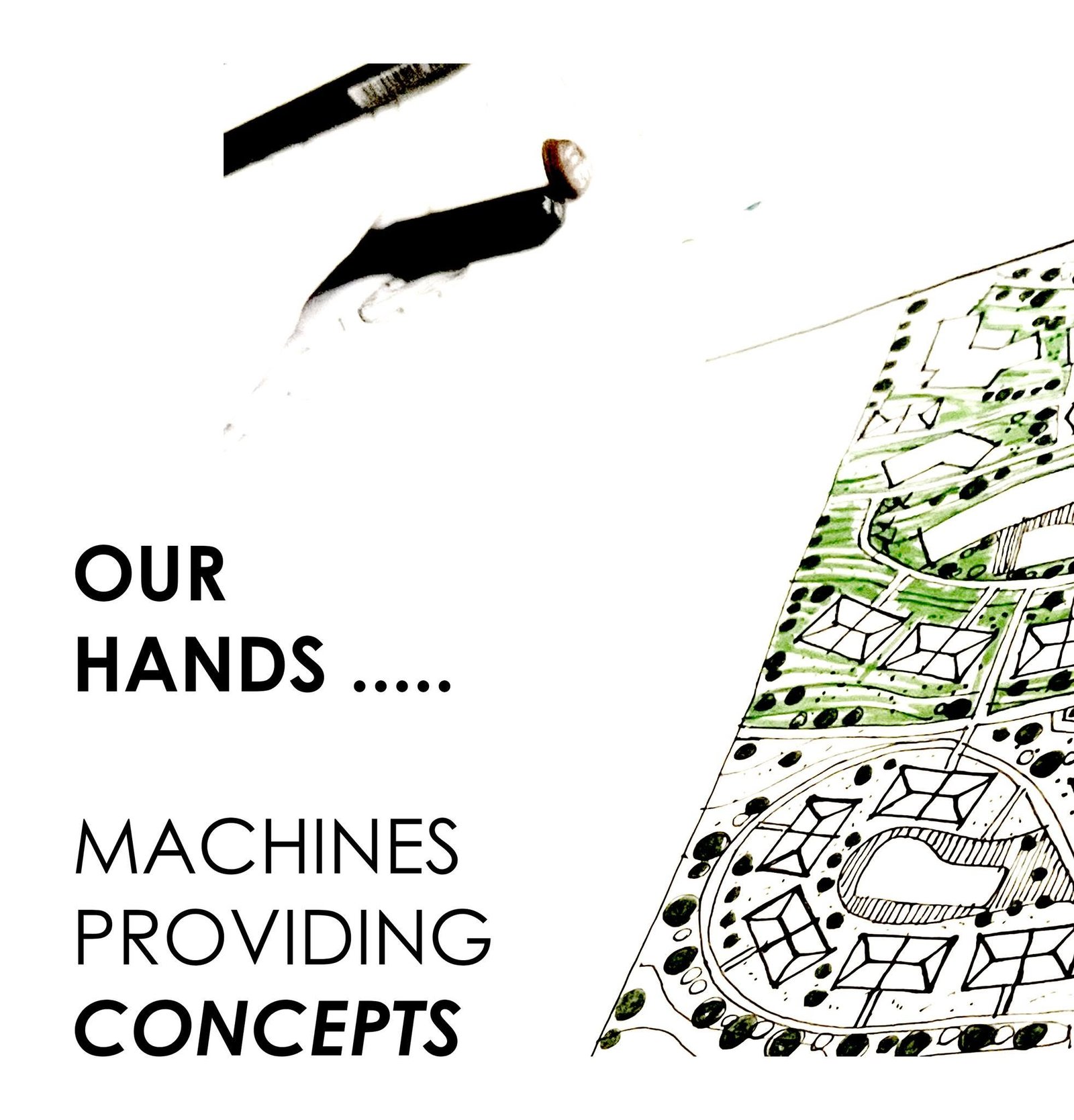
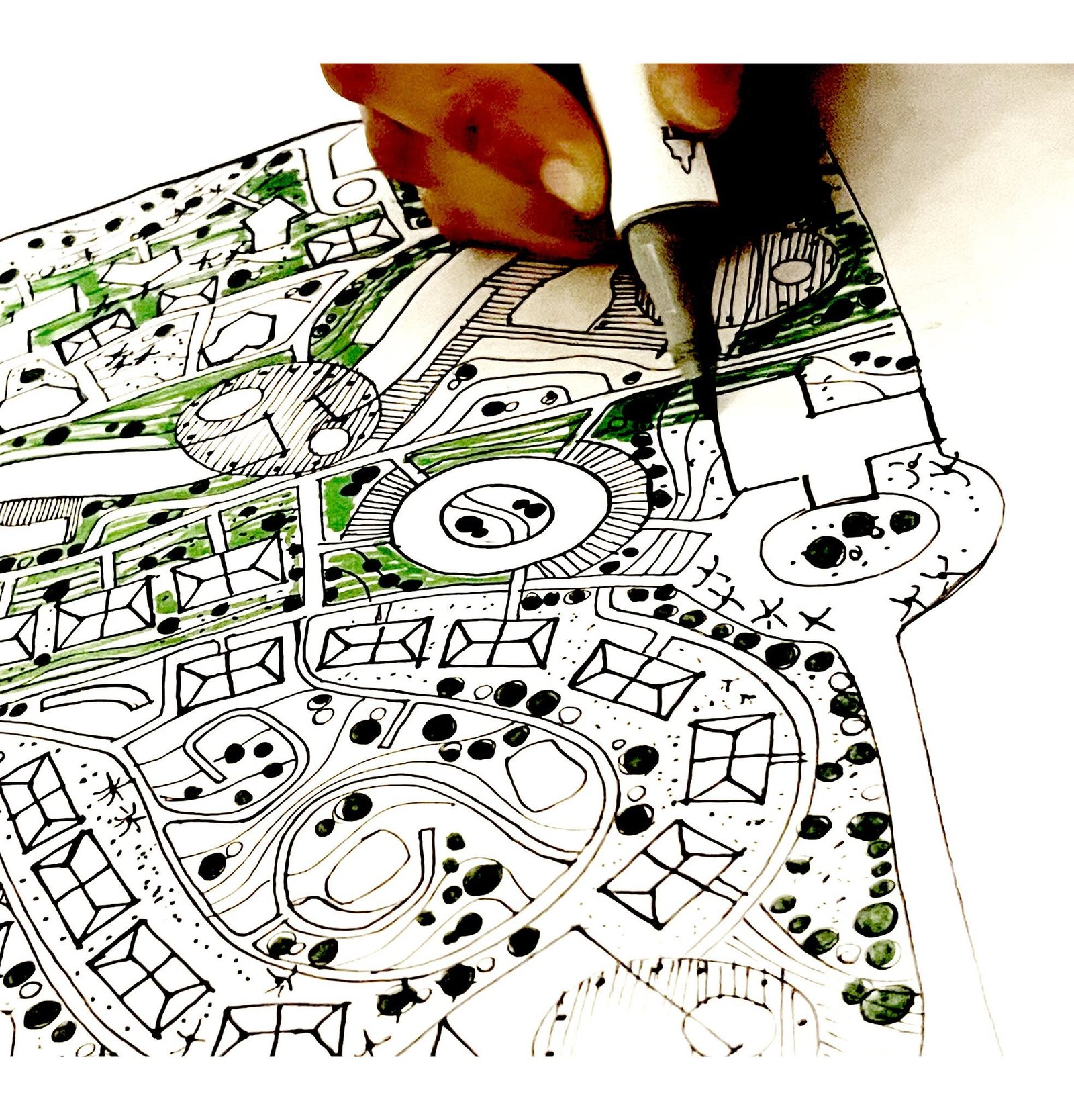
Partner-Z shared its team’s freehand drawings for a pre-concept masterplan in Zanzibar, Tanzania. The publication focuses on early architectural thinking, before a project direction is developed into a more defined proposal.
The role of a pre-concept study
A pre-concept study offers a starting point for exploring how a larger arrangement might work. It allows ideas to be considered while the overall direction is still open to discussion.
At this stage, a drawing is useful because it can show a possibility without requiring every detail to be settled. It helps make the questions behind a proposal visible enough for the team to examine together.
Thinking through freehand drawing
Freehand work can provide a direct connection between an idea and its representation. A line can establish a relationship, indicate a direction, or suggest how one part of a composition belongs with another.
The act of drawing can also be part of the reasoning. As a study develops, the designer can adjust the arrangement and consider how each change affects the whole. The source identifies the drawings as the team’s own work, placing that process within the studio’s practice.
Masterplanning as a question of relationships
A masterplan concerns more than individual shapes. It invites attention to how different parts of a proposal are organized and how the spaces between them contribute to a coherent larger setting.
Those relationships can be explored through sketches before a detailed design is established. The caption does not name the development, define a program, or state an area, so the article focuses on the early masterplanning process rather than a specific completed scheme.
The Zanzibar study
Zanzibar, Tanzania, is the location stated in the publication. The original drawings form its visual account and remain connected to the caption’s pre-concept description.
This article records a moment of architectural exploration: a team using freehand drawing to consider a masterplan’s possibilities before a more defined concept takes shape.