Asalay Beach is a 2024 beach-development design vision in Egypt. Introduced as ‘Your perfect escape’, the proposal centers on natural materials, a connection with the coastal setting and a visitor experience shaped by the landscape.
A beachfront connected with nature
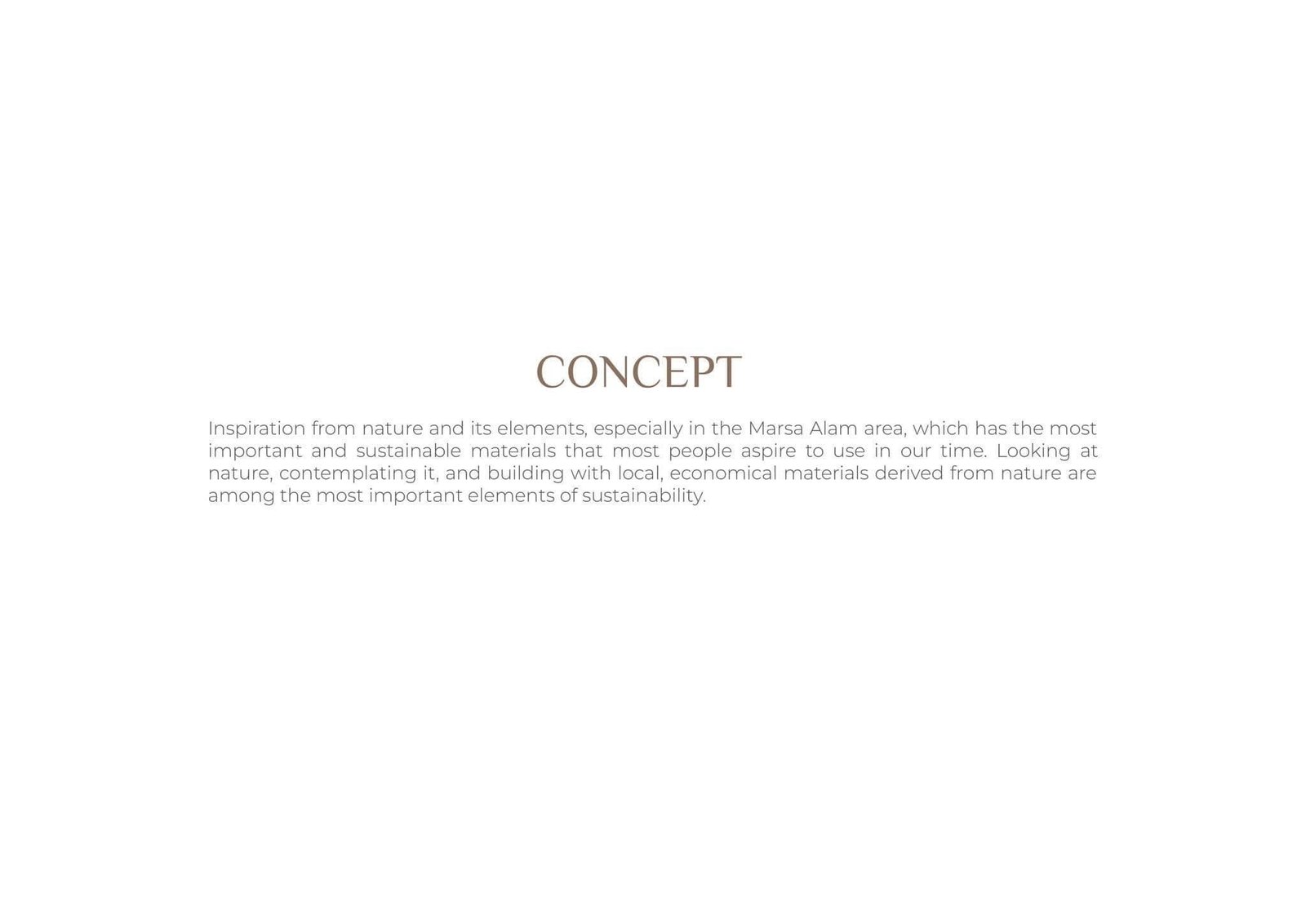
The original description places environmental preservation at the center of the vision. It imagines a natural haven that harmonizes with the surrounding terrain and the sea view. The presentation develops this direction through material references, activity imagery and architectural studies.
Natural materials and light structures
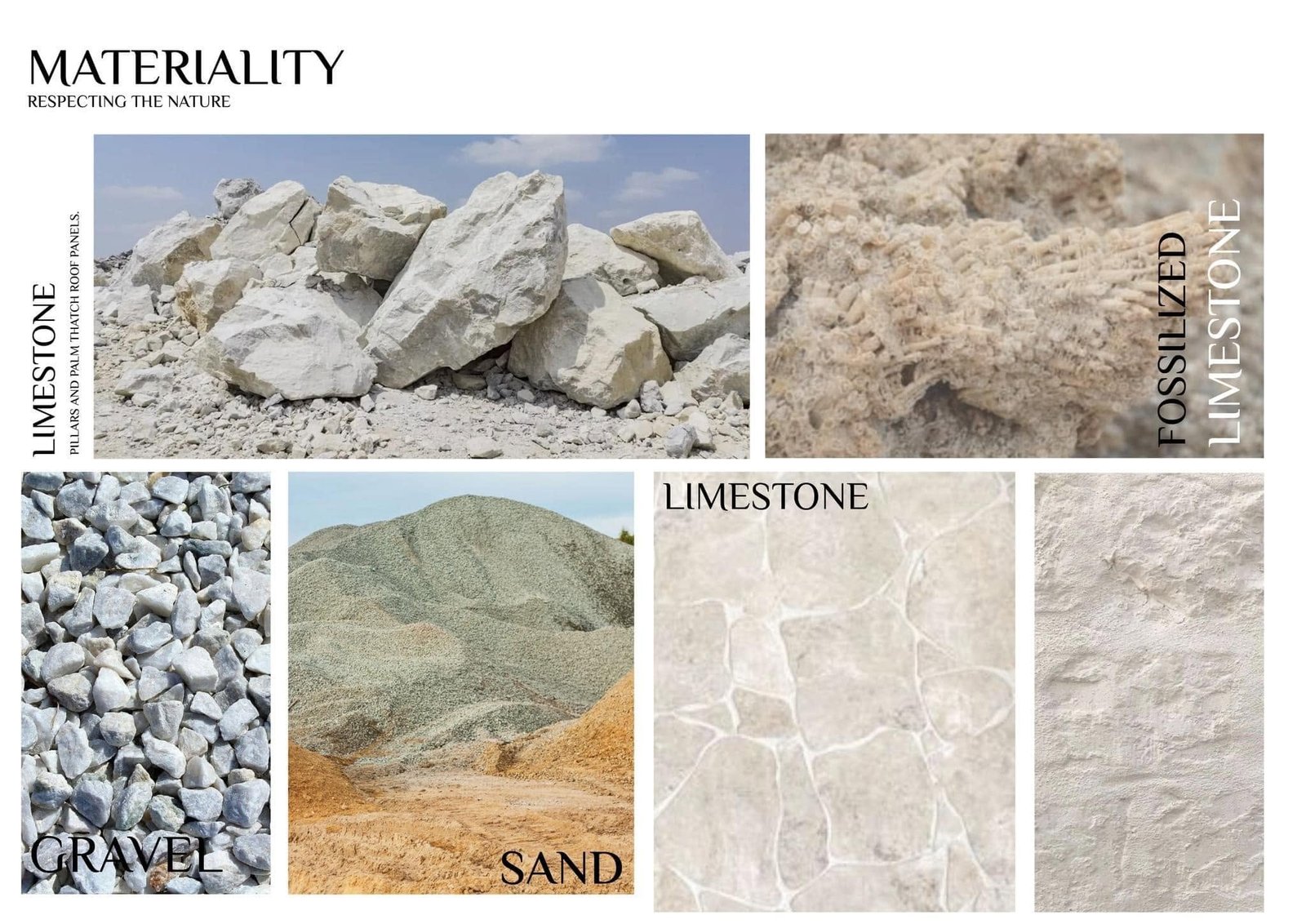
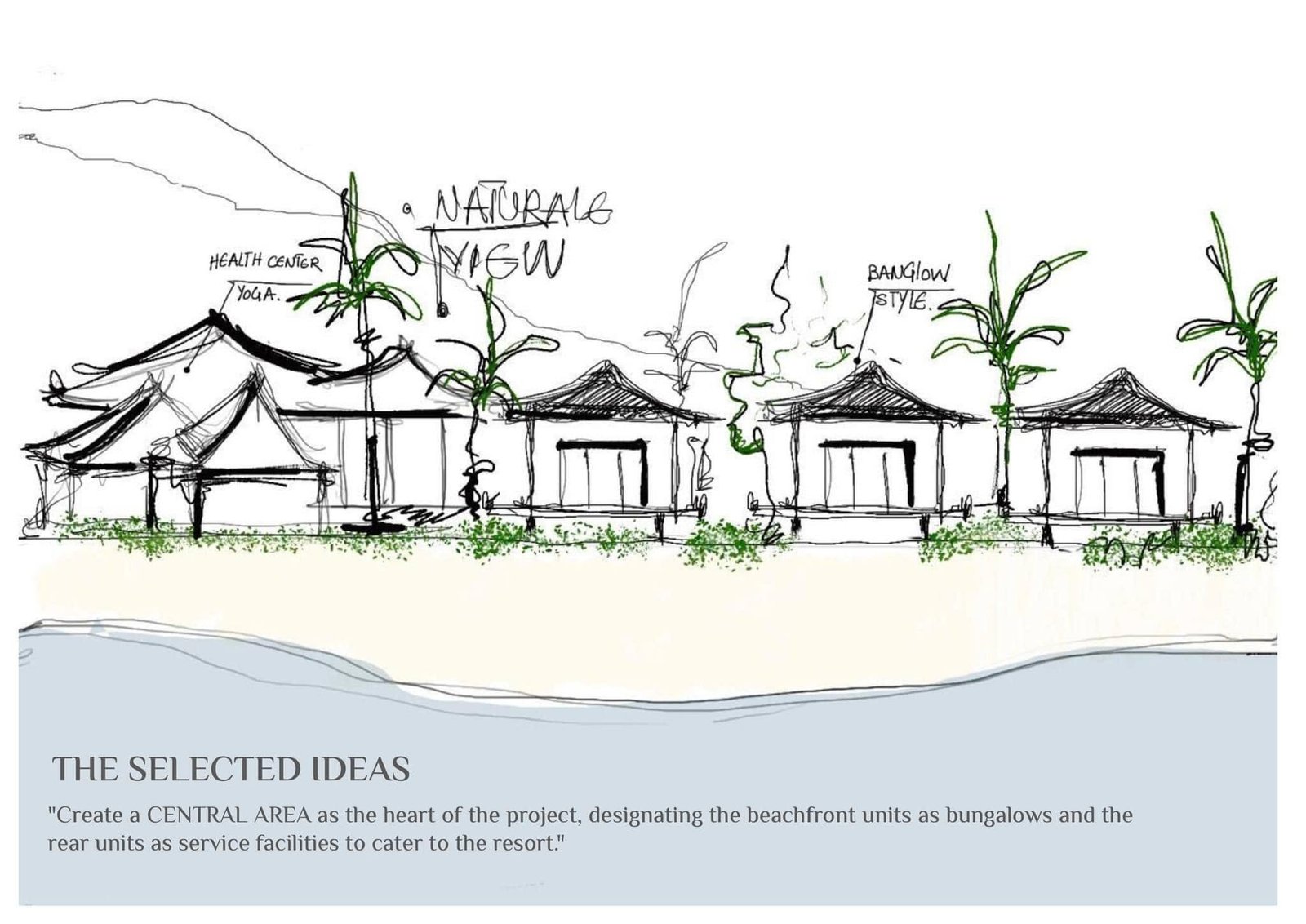
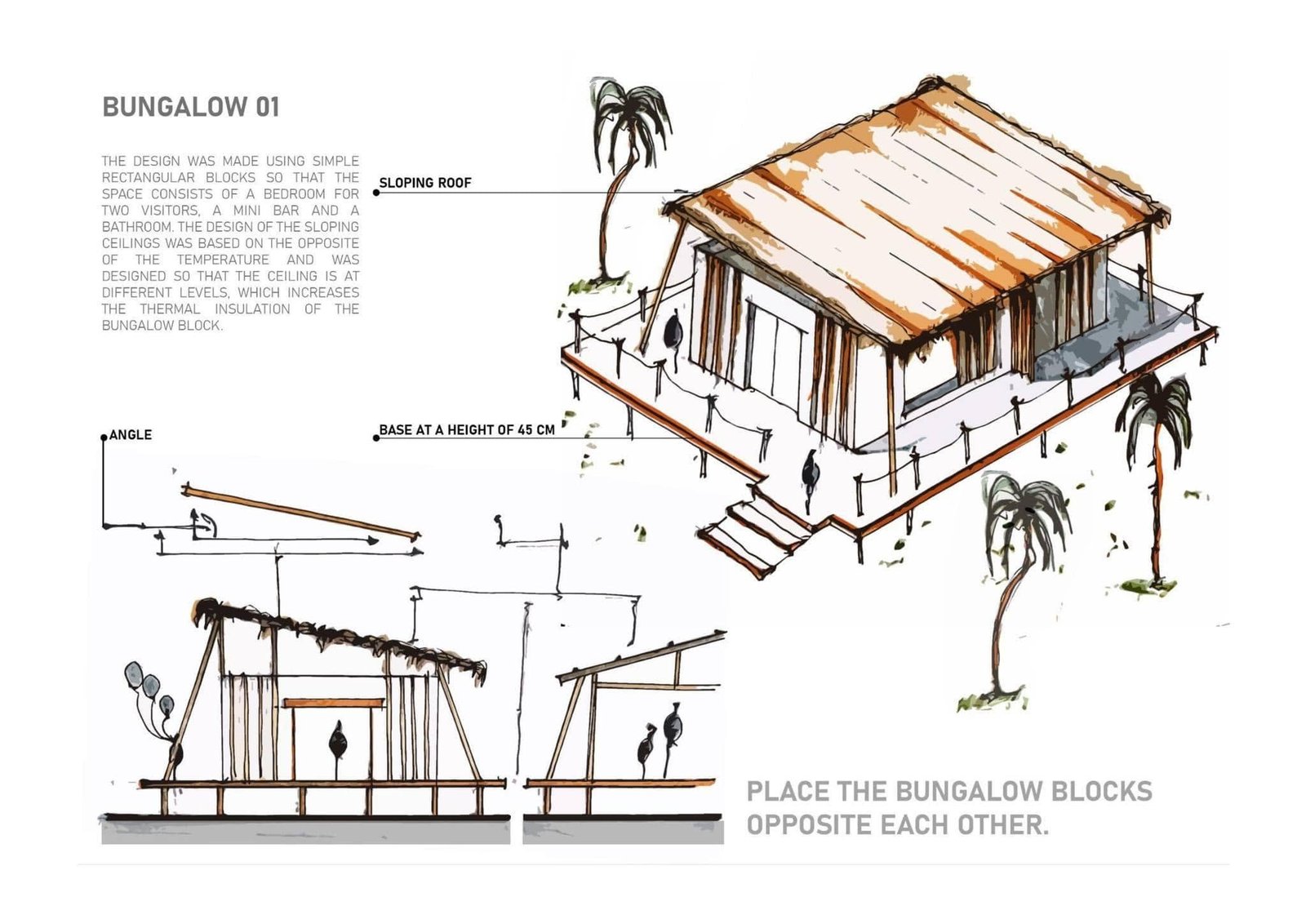
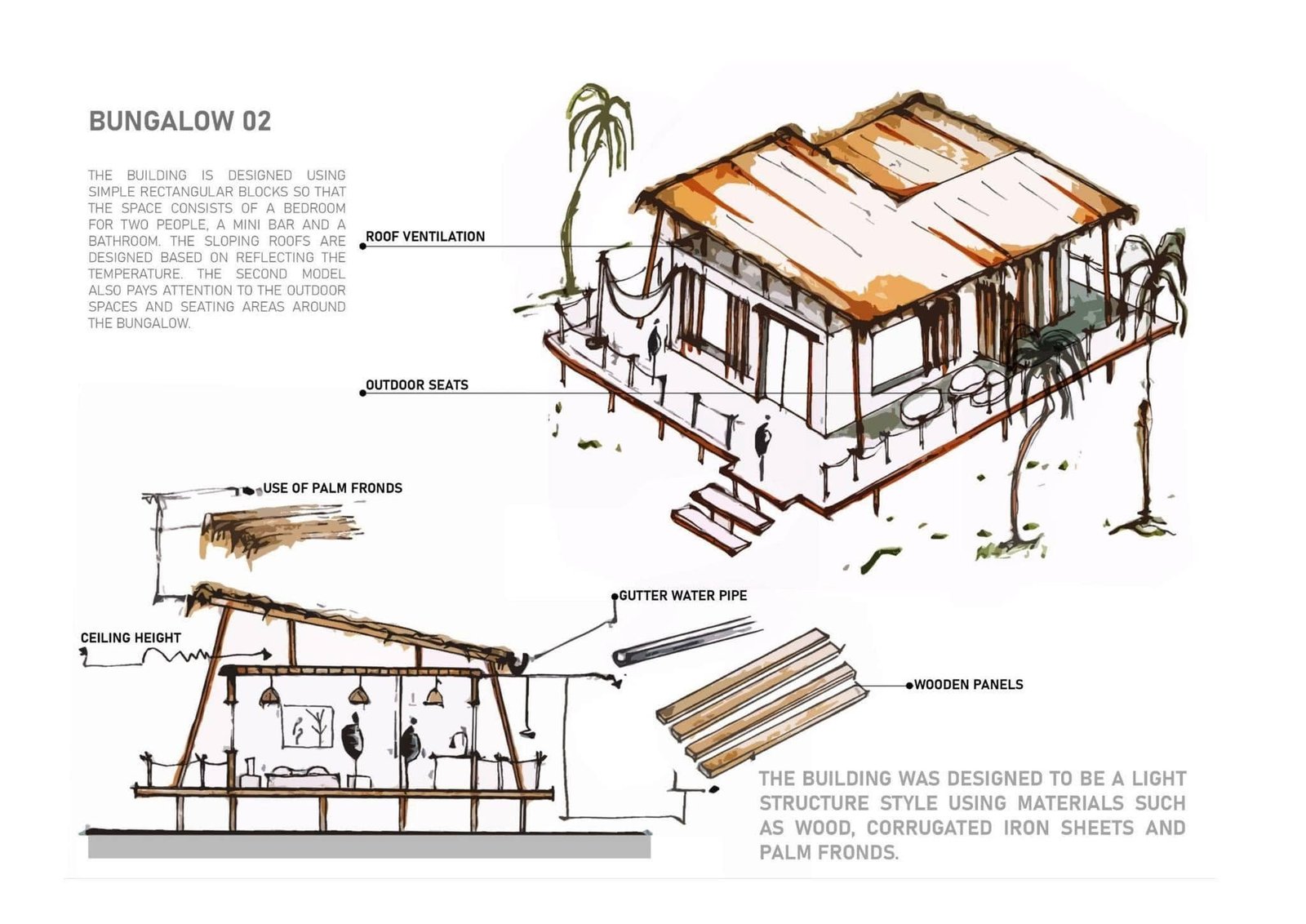
The caption explicitly describes avoiding concrete and using environmentally considerate natural materials. Limestone, fossilized stone, gravel and sand appear in the materials reference board. The bungalow sketches explore low-rise forms and light roof structures, giving the material direction a visible architectural expression.
These are elements of the proposed design approach. The source does not provide a measured environmental assessment or establish a completed development.
A central area and beachfront bungalows
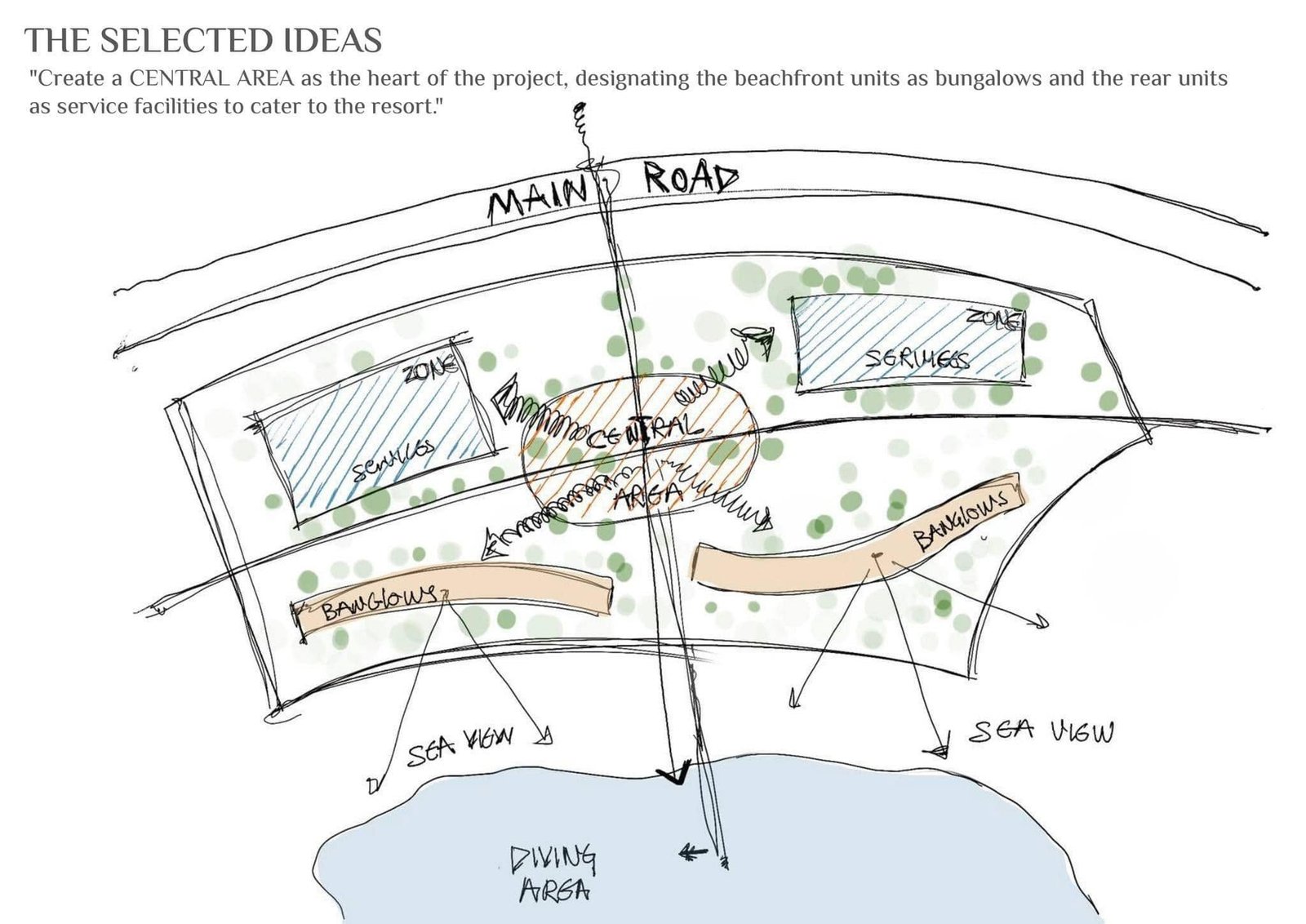
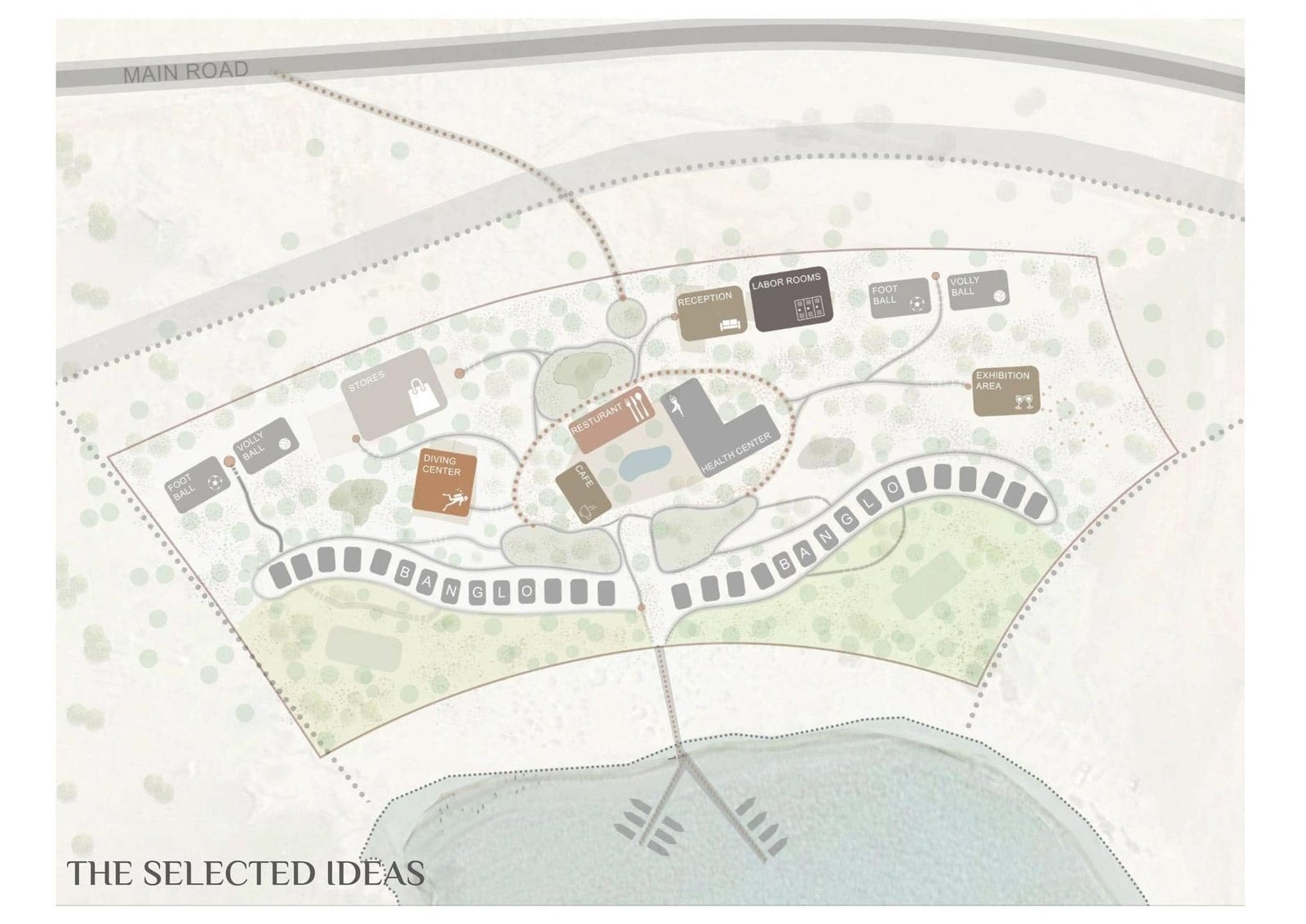
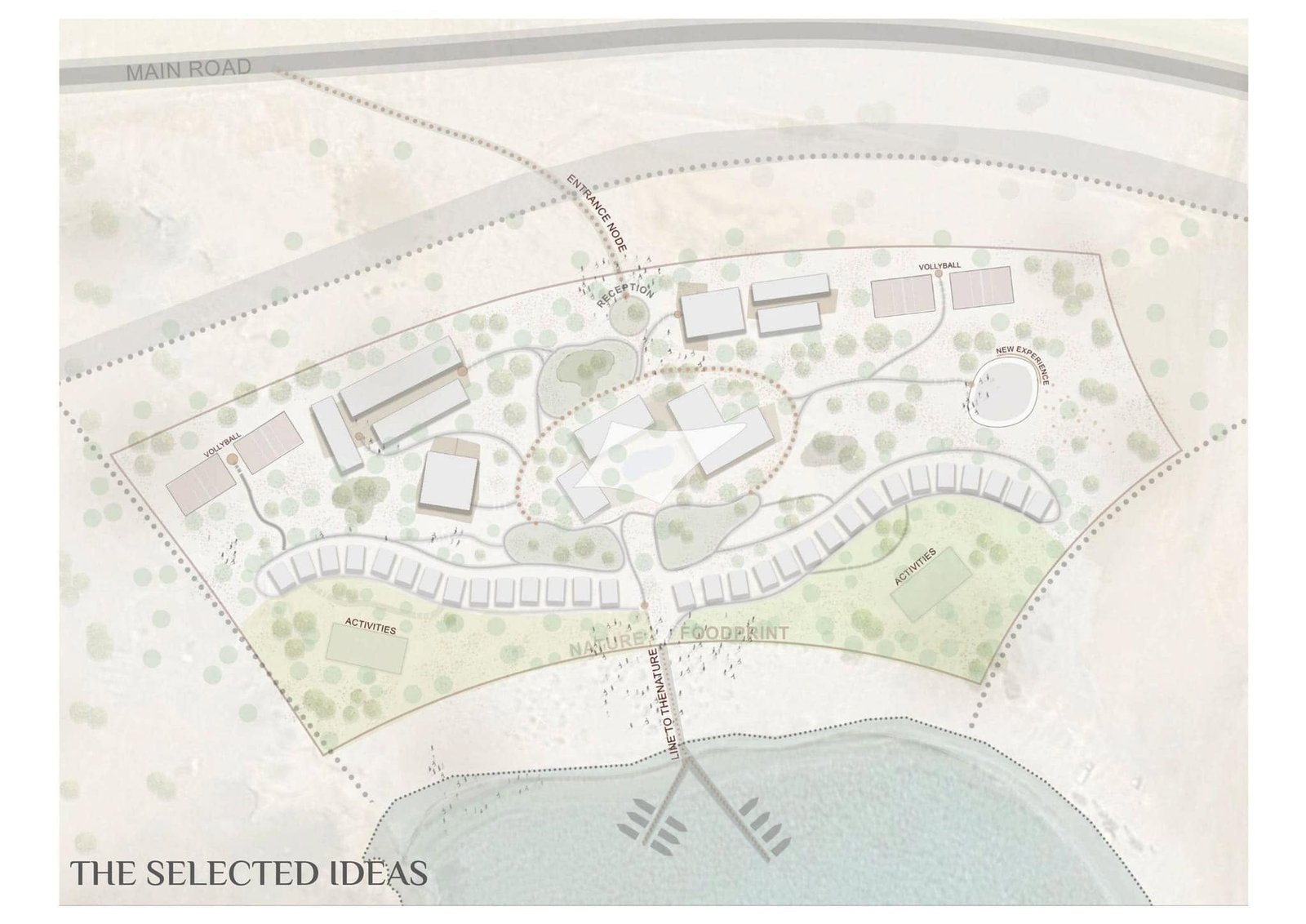
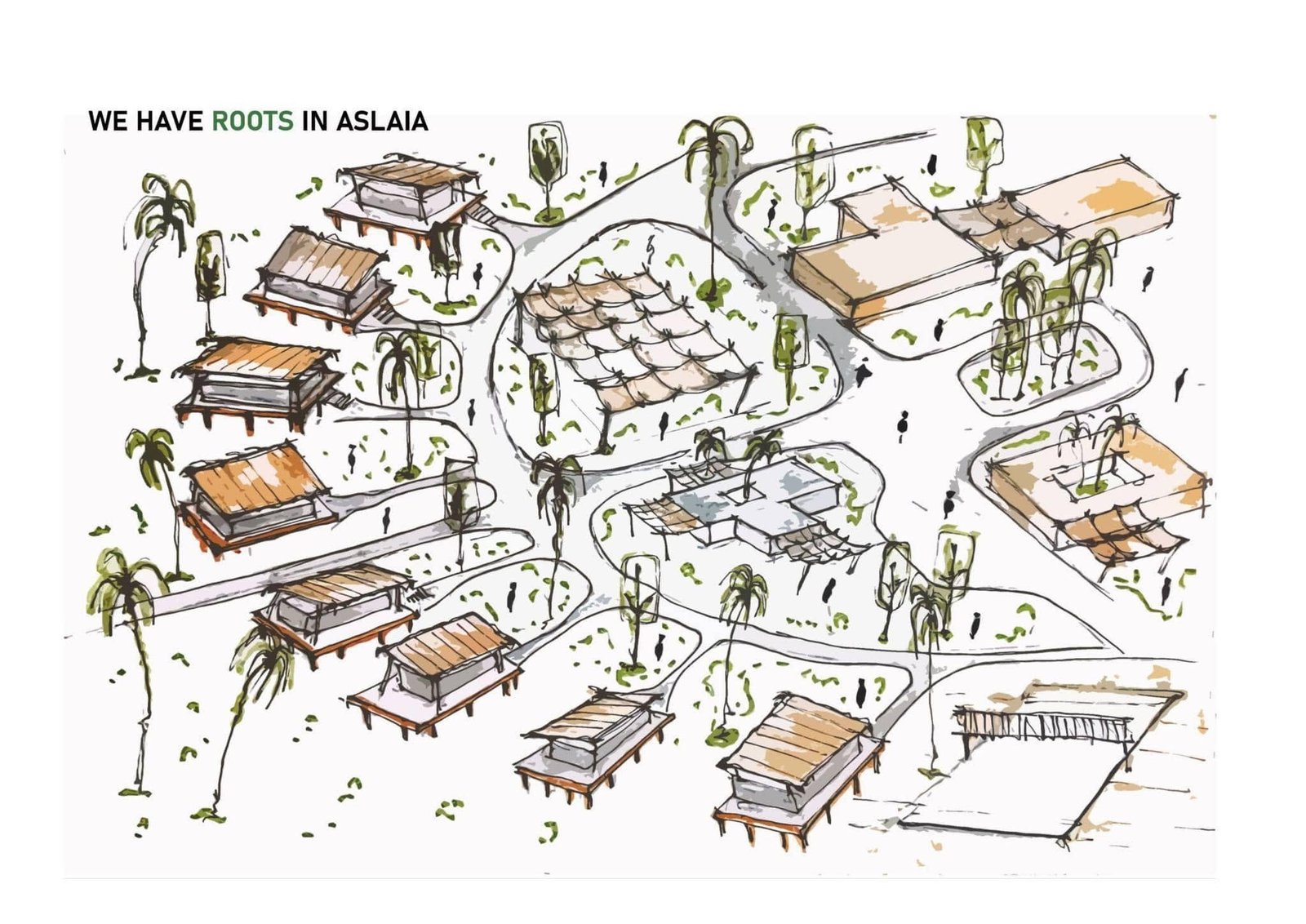
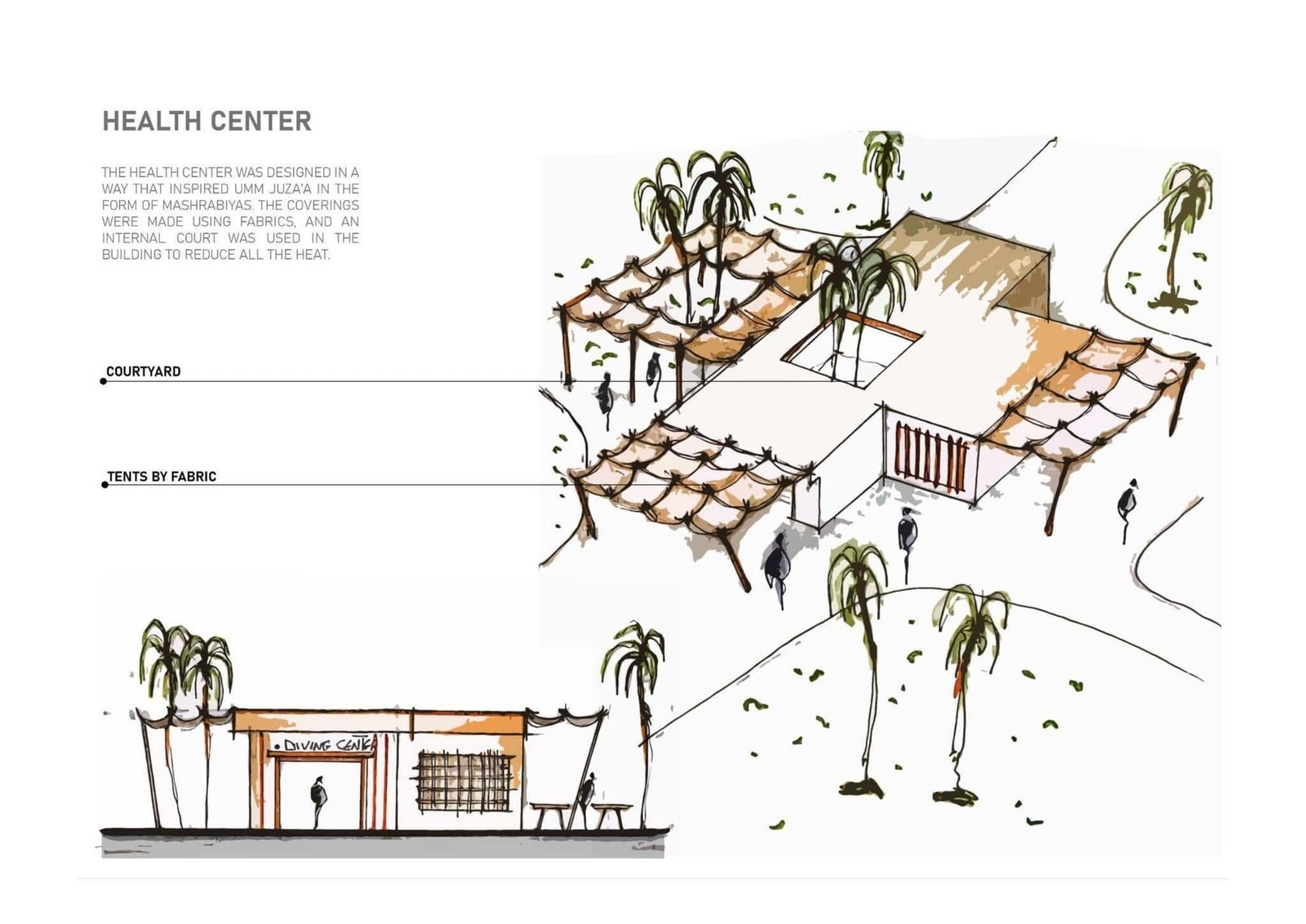
The masterplan studies organize beachfront bungalows around a central area, with service blocks toward the rear. The gallery includes bungalow design sketches and a health-center concept, developing the publication’s stated ambition to combine several functions within a natural setting.
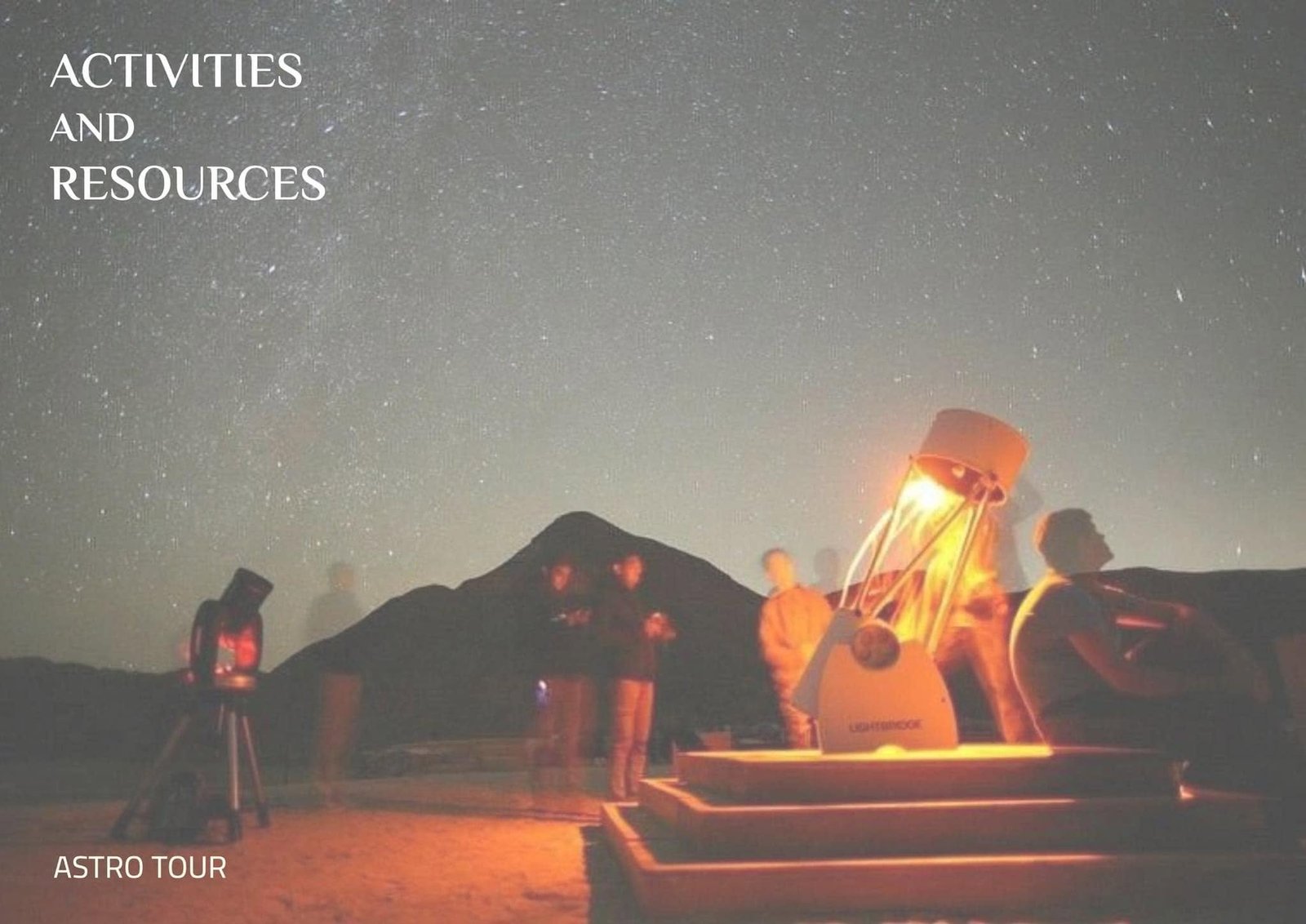
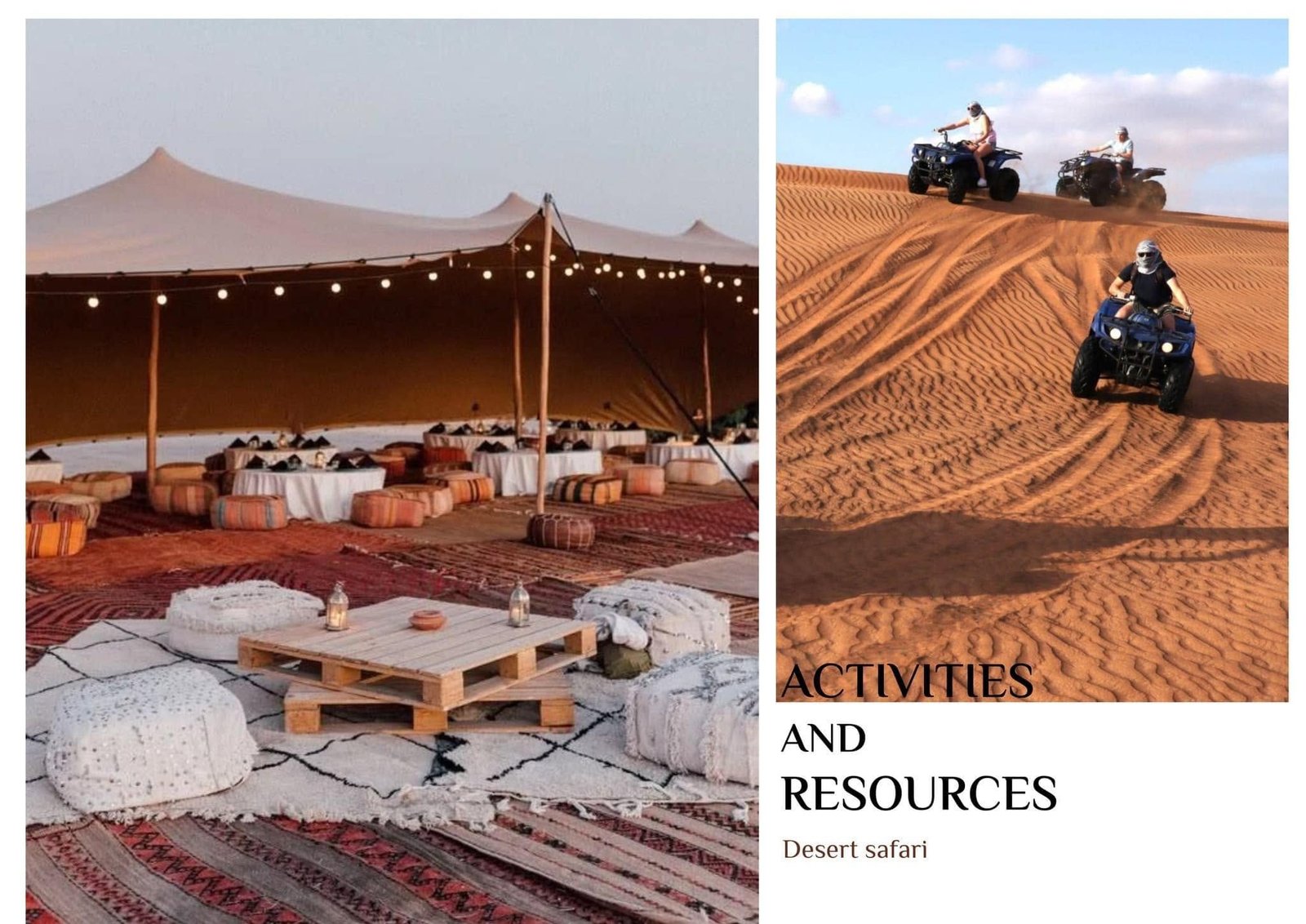
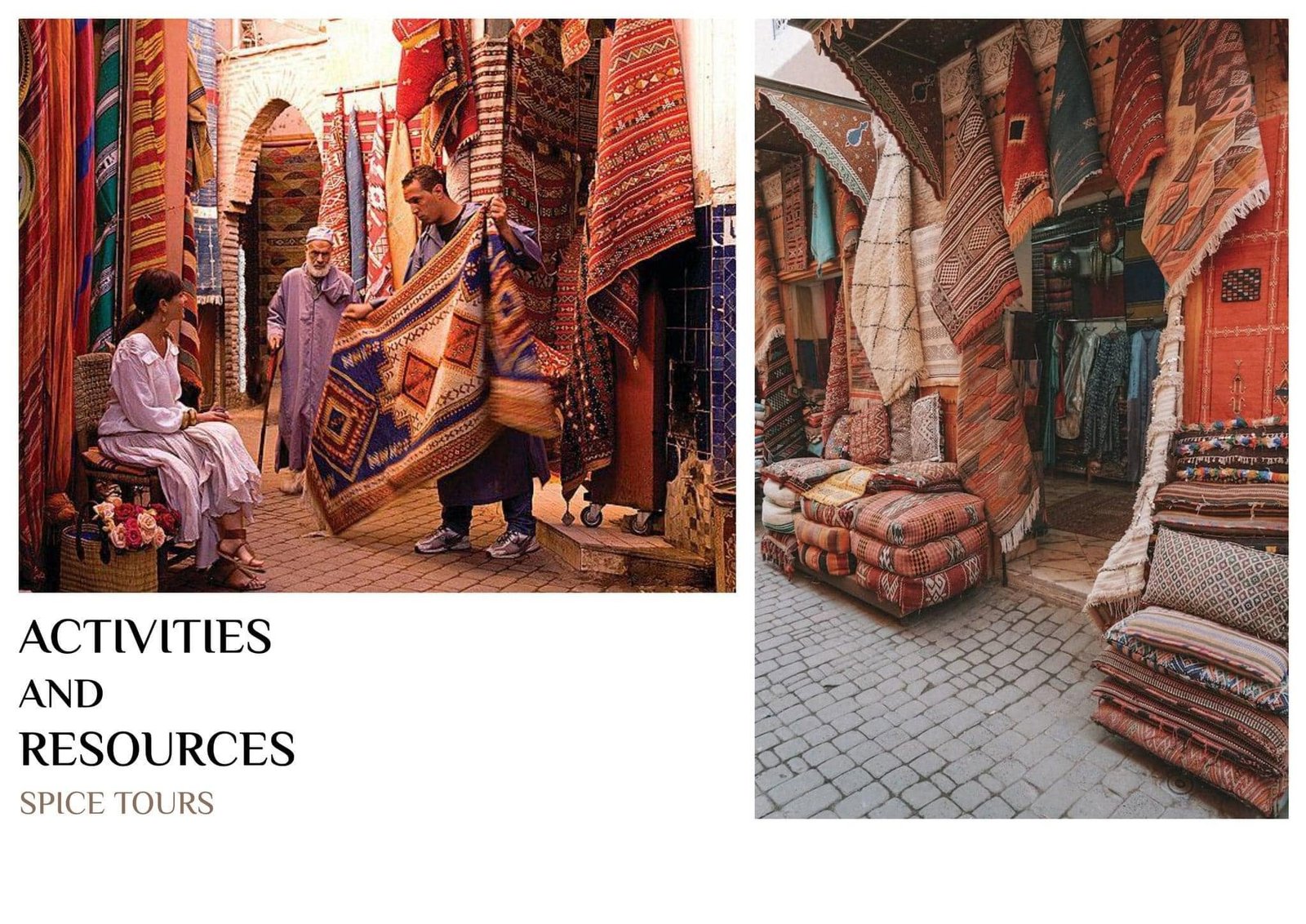
Activity and cultural reference boards accompany these architectural studies. They help communicate the experience imagined for the proposal and remain distinct from photographs of a completed resort.
Location references in the source material
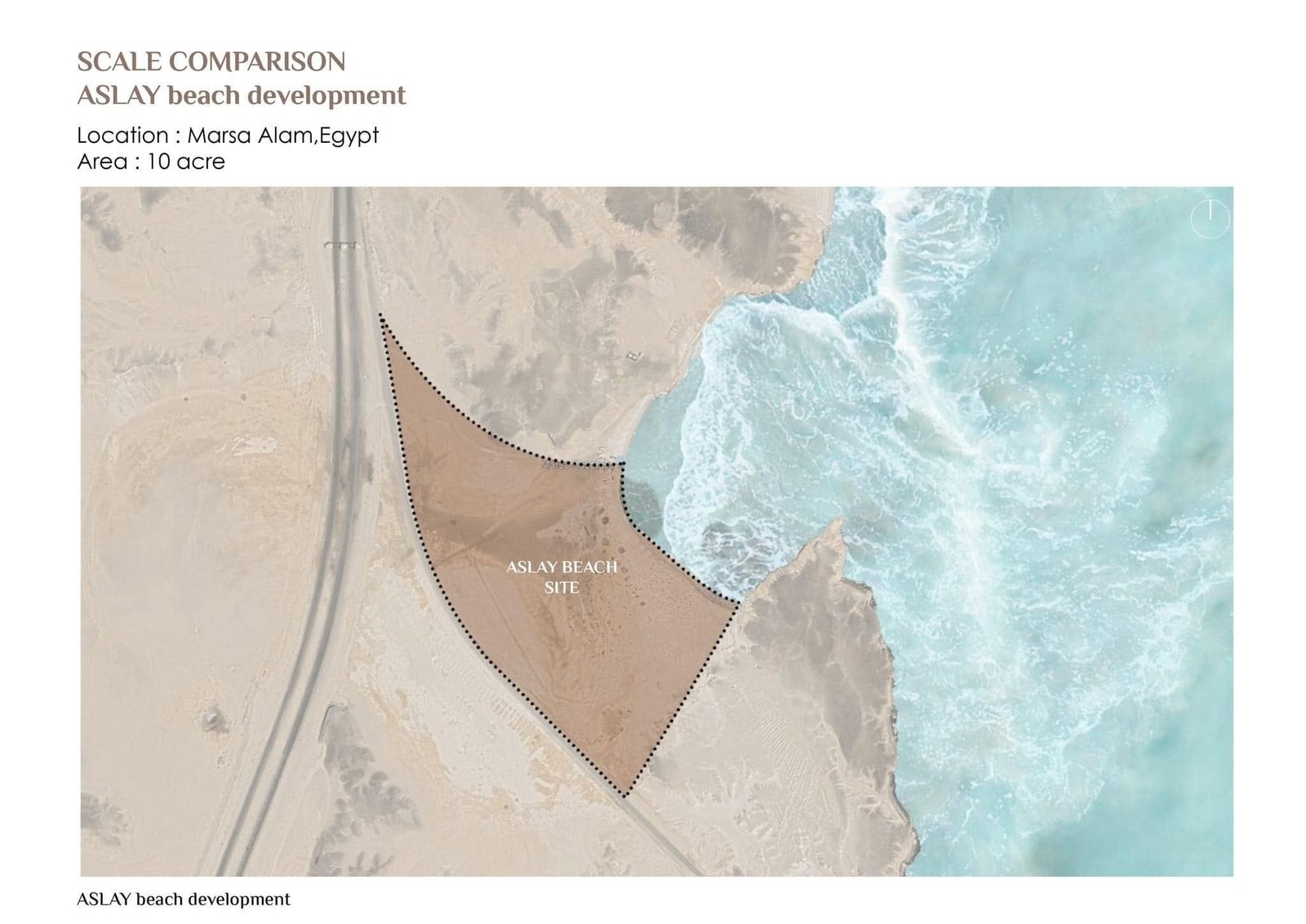
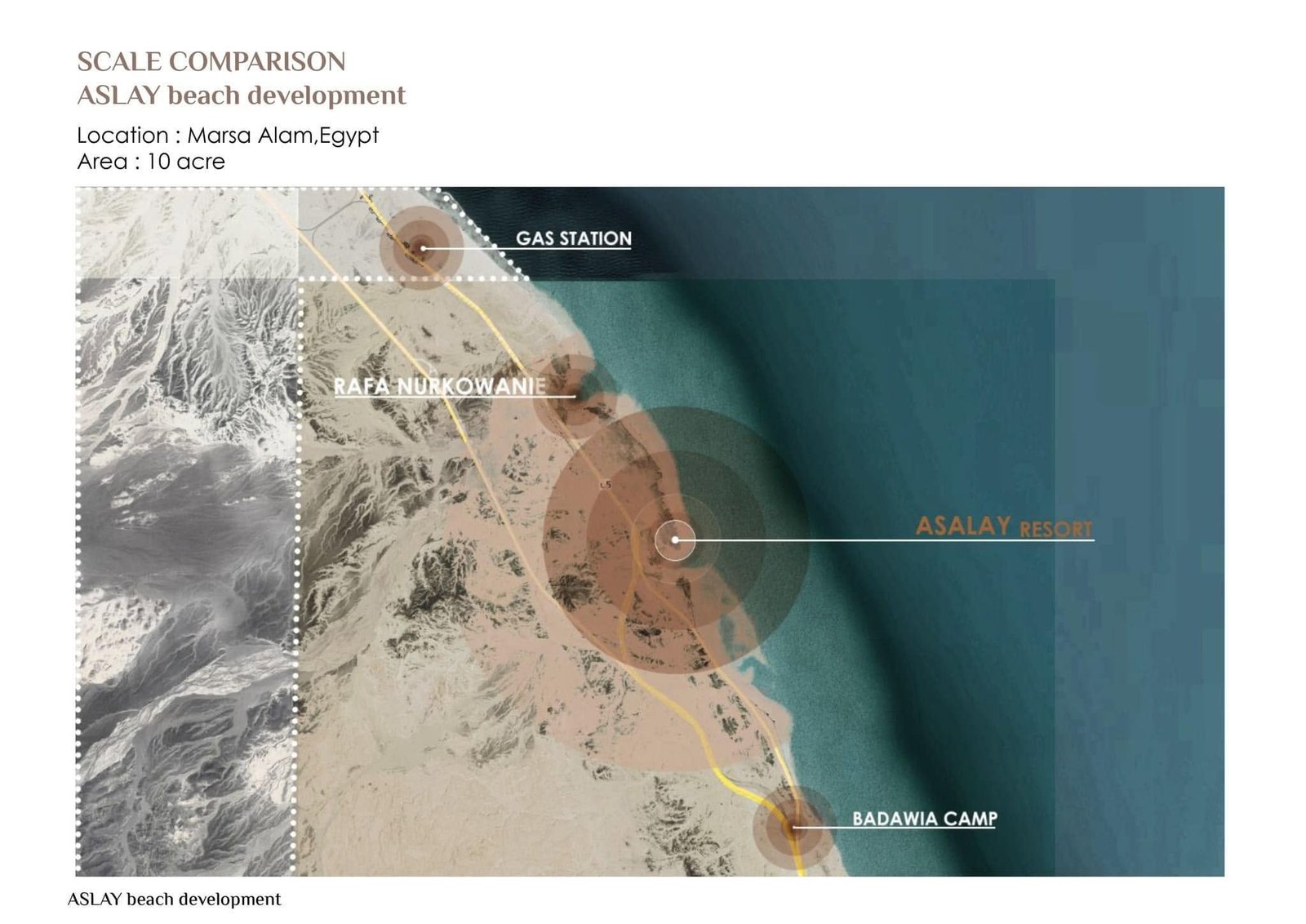
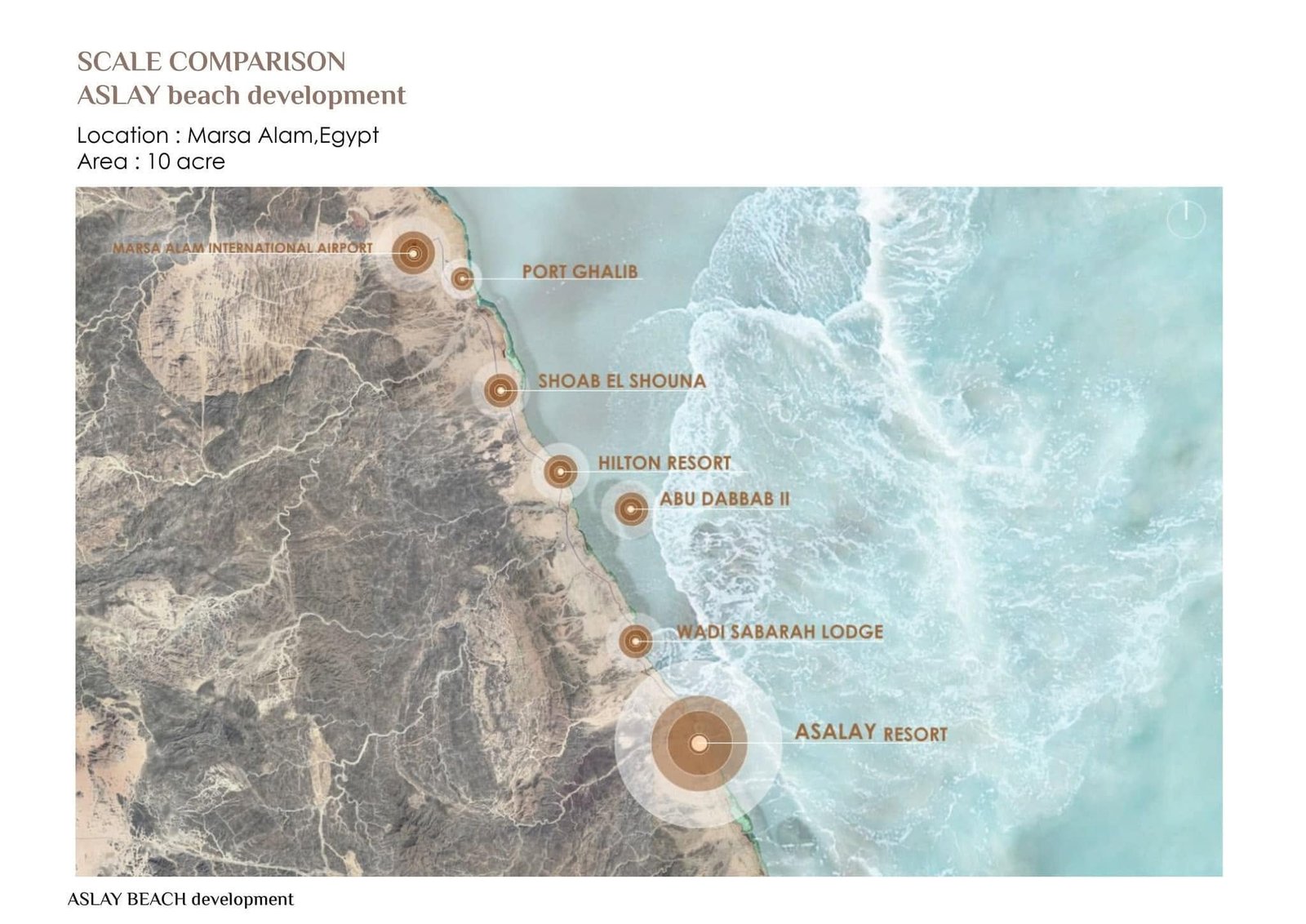
The original post caption names Marsa Matrouh, while several presentation boards label the location Marsa Alam, Egypt. The source materials therefore contain two different location references. Both are retained in the project record, without selecting one as a confirmed site location.
Asalay Beach’s 2024 vision can be read through its coastal setting, natural-material direction and architectural studies while keeping that location discrepancy visible.